Hey there, let’s cut to the chase—if you’re running a chiller, HVAC system, or any industrial setup that relies on a water cooled condenser, you already know how critical these bad boys are. I’ve been selling these units for over 8 years now, and hands down, the biggest headaches I hear from customers aren’t about the price tag or fitting it into their space—it’s about skipping maintenance that ends up costing them way more in downtime, repairs, or even replacing the whole unit way sooner than they should. Today, I’m breaking down exactly how to keep your water cooled condenser running like a dream, no fancy jargon, just real, actionable stuff I’ve picked up from troubleshooting hundreds of setups. Water Cooled Condenser

First off, let’s get one thing straight: water cooled condensers work by transferring heat from your system’s refrigerant into the cooling water that flows through the unit. If that water’s dirty or not circulating right, the heat can’t escape, your system has to work overtime, and suddenly you’re getting 50% less cooling than you should. I’ve seen this so many times— a restaurant in Miami that thought their condenser was broken, turns out they never cleaned the water side for 2 years, and their efficiency dropped so bad their energy bill went through the roof. So let’s start with the most important part: the water side maintenance, because that’s where 90% of the issues live.
Let’s talk about water quality first, okay? I don’t care if you’re using tap water, well water, or recycled water—all of it has stuff in it that will mess with your condenser. Minerals, right? Like calcium and magnesium? They build up on the tubes of your condenser, forming that crusty white scale. Scale is the enemy because it’s a terrible heat conductor. A 1mm thick layer of scale can drop your condenser efficiency by 10%—I learned that the hard way early on, when a client called saying their system was running at 80°F all summer, turns out they had 3mm of scale and were wasting 20k a month on extra electricity. So how do you prevent that? First, test your water regularly—like once a month. You don’t need a lab; there are cheap test strips that tell you pH, hardness, and alkalinity. Ideal pH is between 7.8 and 8.2, by the way—too low and you get corrosion, too high and you get scale. If your water’s super hard, add a water softener or a chemical treatment (we sell specific ones that play nice with our condensers, no junk that’ll clog tubes). Also, watch for algae and bacteria—if the water looks murky or smells fishy, you’ve got a biofilm growing, which is another insulator and can eat away at metal parts. Shock treat the system once a quarter with a biocide, just follow the instructions, don’t overdo it because that can damage gaskets.
Next up, cleaning the tubes. This is non-negotiable. There are two main ways to do this, depending on your setup: mechanical cleaning and chemical cleaning. For light scale or biofilm, mechanical cleaning—like brushing the tubes with a soft condenser tube brush—works great. Don’t use a wire brush, that can scratch the tube walls, which leads to corrosion later. If you have a lot of buildup, chemical cleaning is better, but make sure you use a cleaner that’s compatible with your condenser’s tube material. Most of our units have copper or cupronickel tubes, so avoid anything harsh like strong acids that’ll eat through copper. A good rule of thumb: don’t wait until you can see scale to clean. Schedule it every 6 months for light use, every 3 months if you’re running your condenser nonstop (like in a hospital or a data center that never shuts off). I always tell my clients, mark your calendar—if you forget, you’re setting yourself up for failure.
Then there’s the water flow part. Your condenser needs a specific amount of water flowing through the tubes to work right. Too little, and you’re not removing heat; too much, and you’re wasting water and putting strain on the pump. How do you check flow? Use a flow meter, or if you don’t have one, watch the temperature difference between the water going in and out of the condenser. Ideally, that difference should be between 8 and 12°F. If it’s less than 5°F, your flow is too low—check for clogged strainers first. Oh right! Strainers! Most condensers have strainers before the water pump to catch debris like leaves, sediment, or tiny bits of pipe gunk. Clean those strainers every month, easy to do—just shut off the water, remove the strainer basket, rinse it out, put it back. I can’t tell you how many times a clogged strainer is the root cause of a “broken” condenser. Last year, a retail store manager called me at 2am panicking, said their condenser was making weird noises. I told him to check the strainer first, he did, and it was full of plastic bits from a recent pipe repair. Fixed the whole thing in 10 minutes. Duh.
Okay, moving on to the refrigerant side, because that’s the other half of your condenser. Wait for it—refrigerant leaks. Super common, and if you have a leak, your system loses pressure, the condenser can’t work properly, and you’re damaging the environment (plus getting a big fine in most places). How do you check for leaks? The old soapy water trick works for small leaks—spray a mix of water and dish soap on connections, if you see bubbles, you’ve got a leak. But for bigger systems, use an electronic leak detector, way more accurate. Check all the connections, the valves, the welds, especially after any maintenance or if you’ve moved the unit. Also, monitor refrigerant levels regularly—once every 2 months, just top up if needed, but don’t overfill that, that causes other issues. Pro tip: our condensers are pre-leak tested before they leave the warehouse, so most leaks happen from bad installation or loose parts later down the line.
Now, the physical parts of the condenser—like the shell, the fans (wait, some condensers are air cooled? No, no, we’re talking water cooled, so the water box, the tubes, the mounting, the expansion valve, all that stuff. Check the water box for corrosion, especially if you have hard, acidic water. If you see rust or pitting, that’s a sign your water treatment isn’t working, or you need to fix the pH levels. Also, check the gaskets on the water box—those are rubber seals that prevent water from leaking. If they’re cracked or dried out, replace them immediately, even a tiny leak can lead to big issues over time. Last thing on physical checks: the mounting. Make sure the condenser is level, both horizontally and vertically. If it’s tilted, water doesn’t flow right, and you get air pockets in the tubes, which kill efficiency. I see this all the time when people install the condenser themselves to save money—they don’t level it, and 6 months later they’re back complaining about poor performance.
Wait, let’s talk about seasonal maintenance too, because a lot of people neglect that. If you’re in a place where you don’t run your AC in the winter, you can’t just shut the condenser off and walk away. Oh no! Standing water in the tubes can freeze, which expands and cracks the tubes—we get at least 10 calls a year from clients who did that. So if you’re shutting down for the cold season, drain all the water from the condenser completely, or add an antifreeze that’s compatible with the materials. Don’t use regular car antifreeze, that’s toxic and will damage the metal. Use propylene glycol, it’s safe and works for this. If you’re in a warmer climate where you run your condenser year round, you still need to do a full check every season, maybe add a little extra biocide or adjust your water treatment if the weather’s hot.
Another big one: don’t ignore the pressure and temperature readings. Most modern condensers have gauges or digital displays that show suction pressure, discharge pressure, water inlet and outlet temps. Check these every week, it takes 5 minutes, and it’s like a health check for your unit. If discharge pressure is higher than normal, that’s a sign you’ve got scale, or low water flow, or overcharged refrigerant. Catching that early means you fix it for a hundred bucks instead of a thousand repair later. I had a client last year who checked his readings every week, noticed discharge pressure was up 15 psi, cleaned the tubes, and avoided a full tube replacement. Saved him like 8 grand. Worth the 5 minutes a week, right?
Wait, what about when something does go wrong? Don’t try to fix it yourself if you’re not familiar with HVAC or refrigeration. I see so many people tinkering, messing up gauges, overfilling refrigerant, making leaks worse. If you’re not sure, call a tech you trust, or even better, reach out to me if you have a unit from our line—our team will walk you through it, no extra hassle. We’ve got a ton of clients who call us with small issues, and we can talk them through fixing it over the phone, which saves them time and money.
Let me wrap this up with a quick recap, so it’s easy to remember. Water cooled condenser maintenance isn’t rocket science, it’s consistent little steps: test water quality monthly, clean strainers monthly, clean tubes every 3-6 months, check for refrigerant leaks bi-monthly, monitor pressure and temps weekly, level the unit, drain or add antifreeze if you shut it down for cold weather. Skip any of these, and you’re setting yourself up for downtime, higher energy bills, or premature replacement.
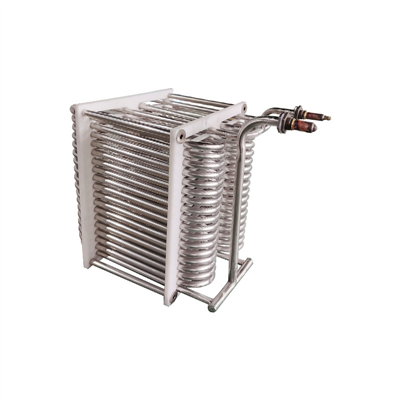
If you’re in the market for a new water cooled condenser, or if your current one is acting up and you need to replace it, hit us up to chat. We don’t do pushy sales stuff, we just get you the unit that fits your setup, walk you through the maintenance, and have your back if you ever have questions. No runaround, no hidden fees, just real advice from people who’ve been in this game for years.
Evaporator References:
- ASHRAE Handbook – HVAC Systems and Equipment, 2022
- Water Cooled Condenser Maintenance Best Practices, Air Conditioning Contractors of America (ACCA), 2021
- Industrial Water Treatment Manual for Heat Exchangers and Condensers, World Health Organization (WHO), 2019
- Energy Efficiency Guidelines for Commercial HVAC Systems, U.S. Department of Energy, 2020
Xiangshui Derkang Refrigeration Equipment Co., Ltd.
Address: No. 2, Xiaojian Town Entrepreneurship Park, Xiangshui County
E-mail: 505745223@qq.com
WebSite: https://www.xsderk.com/
