If you’ve ever stood on the factory floor during a busbar installation, you know how finicky those long, rigid copper or aluminum bars can be. One tiny dent, a scratch along the critical current-carrying surface, or even a misaligned bundle can derail an entire electrical project—delaying installations, wasting materials, and costing your team thousands in rework. That’s where a busbar packing machine comes in: it’s the unsung workhorse that turns individual, tricky-to-handle busbars into neat, protected, and transport-ready bundles. But here’s the thing: a high-quality machine is only as good as the people operating it. Over the 12 years I’ve spent as a busbar packing machine supplier, I’ve seen far too many perfectly good machines underperform, get damaged prematurely, or even cause workplace injuries because operators lacked the right, tailored training. This isn’t just “factory safety 101”—it’s specialized training built around the unique demands of handling busbars, the machine’s complex mechanisms, and the strict quality standards that matter for electrical components. Let’s break down exactly what that training needs to include, no generic safety checklists here. Busbar Packing Machine
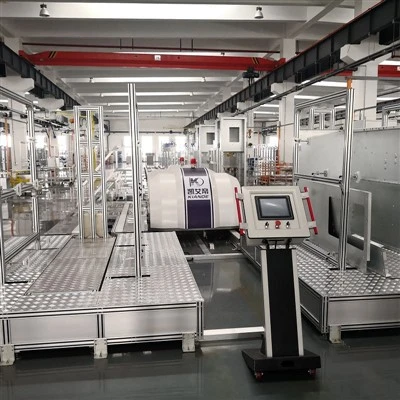
First, every operator needs a core foundation that goes beyond pressing buttons—it’s working knowledge of both busbars themselves and the machine’s anatomy, two parts of a puzzle that can’t be separated. Too often, I get called in to troubleshoot a machine that’s jamming because the operator didn’t recognize that a batch of busbars from the new supplier is 1mm thicker than the last, a detail that throws the machine’s sizing guides off. So training has to start with busbar fundamentals: identifying common materials (tinned copper, aluminum, coated steel), their standard dimensions (from 10mm x 2mm distribution busbars to 100mm x 10mm main power bars), and the surface requirements that non-negotiable for packing. Busbars aren’t just metal sticks—their conductivity depends on an unblemished surface, so operators need to learn how even a 0.5mm scratch from misalignment during packing can make a whole bundle unusable. Then there’s the machine itself. A lot of new operators walk in expecting it to be like a pallet wrapper they used at a retail job, but that’s not the case. Busbar packing machines have three core systems: the loading mechanism that aligns individual bars, the strapping (or wrapping) unit that secures the bundle, and the protective film dispenser that wraps each bundle to shield it from dust, scratches, and moisture. Training has to cover how each part works, not just what a red light means—so if the strapping unit jams because a loose piece of busbar got caught, an operator knows to stop before forcing a restart, which could break a $500 strapping reel or damage the machine’s alignment sensors. For example, last year, a factory in Detroit bought our entry-level semi-automatic machine, and their first operator spent an hour trying to clear a jam because he didn’t know the loading tray has adjustable side guides—all he had to do was loosen two thumb screws to slide the guides to fit the busbar length, instead of prying the jammed bar out with a screwdriver. That’s the kind of gap training fills.
Next, hands-on machine operation and quality control training, because theory only goes so far when you’re handling 10-foot metal bars that weigh 50 pounds each. This is where we separate operators who can run the machine from those who can run it well. First, semi-automatic vs. automatic machine operation: most small to mid-sized electrical fabricators start with semi-automatic, where the operator loads bars into the tray, hits a cycle button, and the machine does the strapping and wrapping. But even semi-automatic requires practice to master bundle density and alignment. For example, if you bunch busbars too tight, the strapping can dig into the metal surface; too loose, and bundles shift during transport. Training has to use real, scrap busbars to practice, so operators can adjust the side guides and strapping tension until they get it right. For automatic machine operators, there’s an extra layer—they have to learn to input digital parameters: bundle length, number of bars, strap type, protective film thickness. This isn’t programming software for a phone; it’s adjusting the machine’s PLC (programmable logic controller) settings, and a wrong input can mean a whole shift of 50 bundles that have to be repacked. We make sure our training includes supervised practice on actual machines, not just simulators, because there’s no substitute for the feel of a 8-foot busbar sliding into the loading tray, or hearing the strapping unit click into place. Then there’s quality control, which is baked into operation, not a separate step. Operators are often the first line of defense against bad bundles, so training has to teach them to check for common defects: misaligned busbar ends, loose straps that will snap during shipping, protective film tears that expose metal surfaces, and even machine issues like uneven tension that will cause wear over time. Last quarter, a customer in Houston saved $2,000 in rework because their trained operator caught that the strapping unit’s tension was off, adjusted it, and fixed the issue before a full shift of bundles was ruined—something they wouldn’t have noticed if they’d only run through a generic operator checklist.
Safety training is non-negotiable, but it has to be specific to busbar packing machines, not generic factory safety. These machines have moving parts that can pinch fingers, heavy busbars that can cause back injuries, and sharp edges on unprocessed busbars that can cut hands. The first rule of safety training for our machines is never to bypass safety interlocks—those metal or plastic guards that stop the cycle if you reach into the machine mid-operation. I’ve seen operators hit cycle buttons with their hands too close, thinking they can grab a dropped busbar fast, but a semi-automatic machine’s loading cycle moves at 2 feet per second, fast enough to crush fingers before you react. Training has to use scenario-based learning, not just videos: we set up a mock jam, and operators have to practice turning off the emergency stop, unlocking the safety guard, and clearing the jam without reaching into the moving parts. Another big safety risk is lifting heavy busbars: a single main power busbar can weigh up to 50 pounds, so training has to cover proper lifting technique, and also how to use optional loading aids—like our machine’s adjustable conveyor attachments that lift bars to tray height, instead of making operators bend to lift them. We also train operators on lockout/tagout (LOTO) procedures for maintenance, because when a machine needs repair, a 1,000-pound power bus can stay on, so knowing how to turn off the power, tag it, and make sure no one else can start the machine is critical. Last year, a new operator at a fabricator in Chicago bypassed the safety guard to clear a jam, and the machine’s loading arm moved, fracturing two fingers—an accident that never would have happened if they’d had our specialized safety training, not just a 15-minute safety talk on their first day.
Maintenance and troubleshooting training is often the most overlooked part, and it’s the difference between a machine that runs for 10 years and one that breaks down every 6 months. Operators are on the machine every day, so they’re the first to notice small issues: a strapping unit that’s misfiring, a guide that’s sticking, or sensor that’s giving a false “jam” alarm. Training has to cover basic, operator-level maintenance, not just factory mechanics. For example, we teach operators how to clean the strapping reel’s feeder wheel every week—small buildup of dust or metal shavings can cause strapping jams. We also teach them how to adjust the side guides, replace small parts like the protective film roll, and reset the machine’s PLC if it throws a minor error code. The troubleshooting part is key: instead of calling a technician out for every small issue, operators can fix it themselves, which saves downtime and money. Let’s say a machine stops with an error code “sensor blockage”—untrained operators will wait hours for a tech, but trained operators know that code usually means a piece of metal shavings is stuck in the proximity sensor, so they can turn off the machine, remove the sensor guard, blow out the shavings, and reset the sensor in two minutes. We also give operators a pocket troubleshooting guide, tailored specifically to our machines, so they don’t have to guess what error codes mean. For more complex issues, we train operators to document errors, note when they happened, and share that info with our support team, which helps us fix bigger issues before they become costly breakdowns.
Now, if you’re a fabricator, electrical contractor, or in-house team looking to invest in a busbar packing machine, you might be thinking, “This sounds like a lot of training. Can’t we just wing it?” The short answer is no, and I’ve seen too many examples to prove that. Last year, a customer in Austin bought two of our automatic machines, skipped the specialized training, and hired two operators who had only run general pallet wrappers. In the first month, their machines had three strapping unit failures, a misaligned loading tray that ruined 20 bundles, and one minor finger injury—costing them $3,500 in repair fees, reworked materials, and lost production time. After they completed our on-site training, those same machines ran for six months without a single major breakdown, and their bundle defect rate dropped from 8% to less than 1%. That’s the difference between proper training and figuring it out on the job.
So what does this training look like in practice, for our customers? We offer two types: on-site training for teams that buy our machines, and virtual training for smaller teams or those who want a refresher. On-site training is two full days: day one covers the core fundamentals, machine anatomy, and safety; day two is hands-on operation, quality control, and basic maintenance. We assign each customer a dedicated trainer who works with busbar packing machines every day, so they can answer specific questions and troubleshoot on the spot. For virtual training, we offer half-day sessions with live demos, interactive quizzes, and a follow-up troubleshooting guide that operators can access anytime. We also offer ongoing refreshers, because busbar models change, machines get software updates, and new safety rules come into place. For example, last year we updated our automatic machines to work with a new type of coated busbar, so we held a free refresher training for all our customers to make sure their operators knew how to adjust the machine’s settings for the new material.
At the end of the day, a busbar packing machine is a significant investment—usually $10,000 to $50,000, depending on the size and automation level. If you don’t invest in training for your operators, you’re not getting the full value of that machine. You’re risking defects, downtime, injuries, and premature wear on a piece of equipment that should make your team’s job easier, not harder. If you’re in the market for a busbar packing machine, or you already have one and want to make sure your team is operating it safely and effectively, we’re here to help. We don’t just sell machines—we provide the training, support, and resources to make sure your team gets the most out of every piece of equipment. To learn more about our machine models, training programs, or to schedule a consultation for your team, reach out to our team for a discussion tailored to your operation needs.
Switchgear Production Line References
- Occupational Safety and Health Administration (OSHA). (2022). Machine Guarding Requirements for Material Handling Equipment. U.S. Department of Labor.
- Electrical Construction & Maintenance (EC&M) Magazine. (2023). "Best Practices for Busbar Handling and Packaging in Industrial Facilities." EC&M, 147(5), 22-27.
- International Organization for Standardization (ISO). (2021). ISO 12100:2021, Safety of Machinery – General Principles for Design – Risk Assessment and Risk Reduction. ISO.
- Industrial Packaging Association (IPA). (2022). Guidelines for Packaging Electrical Components for Transport and Storage. IPA, 19-24.
- Machine Design. (2023). "How Operator Training Extends Industrial Equipment Lifespan." Machine Design, 95(8), 41-44.
Suzhou Kiande Electric Co., Ltd.
Suzhou Kiande Electric Co., Ltd. is one of the most professional busbar packing machine manufacturers and suppliers in China, also supports custom service and OEM&ODM service. Welcome to buy durable busbar packing machine made in China here and get quotation from our factory. Quality products and reasonable price are available.
Address: No.123, Suzhou Avenue East, Suzhou Industrial Park Suzhou, Jiangsu 215000 China
E-mail: saleswmkc@kiande.cn
WebSite: https://www.busbarcncmachine.com/
