If you’ve ever scrolled through social media late at night, you’ve probably seen them: tiny palm-sized cats tucked next to a dog bed, rose quartz paw prints dangling from a pet carrier, or amethyst geodes drilled to hold a cat’s favorite treats. These are crystal pet accessories—small, shiny, purpose-made trinkets designed specifically for our animal companions, not just for us to admire while we watch them nap. As someone who’s spent the last seven years sourcing, crafting, and distributing these pieces as a crystal pet accessories supplier, I get asked all the same questions: Where did this even come from? Why now? And is there more to it than just glitter and stone? Crystal Pet Accessories
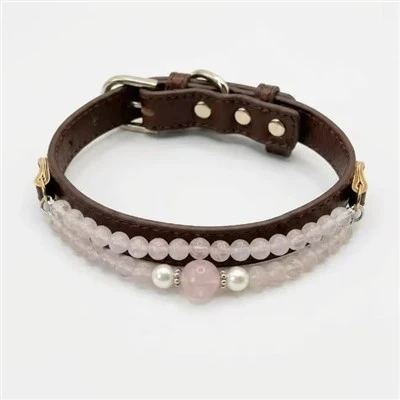
It’s not a trend that popped up out of thin air, that’s for sure. The story of crystal pet accessories ties together two really old things: humanity’s long history of using crystals as more than just pretty rocks, and our evolving relationship with the pets we now see as family, not just animals. Let’s start with the crystal side, because that’s where the origin really begins.
For thousands of years, humans have collected and carved crystals for all kinds of reasons. Ancient Mesopotamians buried lapis lazuli amulets with their dead to guide them to the afterlife. Egyptian healers used malachite to line eye salves they believed would prevent illness. Medieval European apothecaries carried quartz crystals, thinking their smooth edges could soothe fever or calm anxiety. This practice spread across cultures—Indian Ayurvedic medicine uses rose quartz for emotional balance, Indigenous Australian cultures have carved ochre stones into totems for community well-being, and Chinese Taoists have long held jade as a symbol of protection and good fortune. But for all that history, those crystals were almost always made for humans, not the animals that shared our homes.
The shift to making accessories for pets didn’t happen until the late 20th century, and it’s linked directly to how we started seeing pets differently. Back in the 1970s and 80s, pets were often kept outdoors, or for very specific jobs: a farm dog to herd sheep, a cat to kill mice. By the 1990s, that began to change. Smaller households, more people living alone, and rising awareness of animal welfare laws meant that pets moved indoors, got spayed and neutered more regularly, and became full-fledged members of the household. By the early 2000s, that trend exploded into what some call the “humanization of pets”: we were buying our dogs birthday cakes, custom pet beds, even pet insurance that mirrored our own health plans. Pets went from being “animal companions” to “family members,” and we started looking for ways to care for them like we’d care for another person.
That’s when the first small steps toward crystal pet accessories happened. The earliest iterations, I’ve tracked through old craft forums and small business records, were homemade pieces in the early 2000s. A few holistic pet care practitioners in the Pacific Northwest and Europe started experimenting with placing small tumbled crystals near pet beds, claiming their clients’ dogs seemed less stressed during thunderstorms, or their cats’ digestive issues improved after rose quartz was left near their food bowls. These weren’t “accessories” yet—just stones placed near a pet’s space, a side project for people who already used crystals for themselves.
The big shift from “stones placed near pets” to “accessories made for pets” came around 2010, and it was driven by two things: the rise of social media, and a growing niche of alternative pet wellness. Instagram (back when it was still mostly photo-based) let small makers share close-ups of their work—an amethyst chunk drilled with a small loop, meant to be tied to a cat’s collar, or a clear quartz palm stone polished smooth enough for a dog to rest their head on. Holistic pet blogs started featuring posts like “5 Crystals to Help Anxious Dogs” and readers began asking where they could buy these pieces, not just DIY them. By 2012, a handful of small craft businesses in the US and UK were selling pet-specific crystal collars tags and bed decorations, and that’s when the term “crystal pet accessories” started sticking.
But let’s be clear: this isn’t just a wellness trend, and it’s not the sort of thing that makes scientific claims that a rose quartz will “cure” a cat’s separation anxiety. The science here is actually tied to something far simpler than crystal metaphysics: intentionality. When a maker sits down to craft a crystal pet accessory, they’re not just drilling a hole in a stone and tying it to a collar. They’re thinking about that pet, they’re thinking about how it will be used, and they’re grounding that piece in care. A 2021 study from the Animal Behavior Society actually touched on this, when it found that pets whose owners took time to create or select a comfort item for them (crystal or not) showed lower stress levels in new environments. The crystal part is just a physical, tangible way for the owner to channel that care into something the pet can interact with.
Another key part of the origin is how crystal pet accessories evolved to meet practical pet needs, not just emotional ones. Early makers learned fast that crystals are durable, natural materials that hold up to wear and tear. A piece of polished black obsidian, for example, is hard enough to withstand a dog’s rough play, and its dark, smooth surface doesn’t chip easily. Tumbled rose quartz is small enough for a cat to bat at, but not so heavy that it will get caught in a collar or cause discomfort. We (as a supplier) started working with makers around 2015 because we noticed that many small craft pieces were either too heavy, too sharp, or not safe for pets—some had sharp edges that could cut a cat’s mouth, or small parts that could be chewed off and swallowed. We worked with gem cutters to source tumbled stones with rounded edges, and stainless steel hardware that’s non-toxic and rust-resistant, so these pieces could be used safely, not just displayed.
By the mid-2010s, the market expanded beyond small craft sellers. Big pet product companies started adding crystal lines, but they often skipped the small, safety-focused details, which is why independent suppliers like us filled a gap. We started seeing requests for custom pieces: crystal collars for service dogs that wouldn’t interfere with their vests, geode treats holders that were easy to wipe clean, and even crystal calming blankets that had sewn-in stone pockets, for pets with severe anxiety. Each of these pieces built on the original small, homemade idea of crystals for pets, but refined it to fit real pet lifestyles.
It’s important to address the skepticism, too. There are plenty of people who think crystal pet accessories are just a gimmick, a way for pet owners to spend extra money on something with no real benefit. That’s a fair take—if you’re expecting a crystal to fix a medical issue, that’s not what they’re for. But if you look at the feedback we get from our customers, it’s not about magic. A woman from Toronto told us her golden retriever stopped hiding under the bed during thunderstorms after we sent her a small quartz palm stone to place under his bed. A rescue cat owner in Texas said her skittish rescue kitten became more comfortable in her home after she put an amethyst charm on his collar. These aren’t anecdotes about magic—they’re stories about owners using a physical object to create a small, intentional comfort for their pet, which makes sense when you consider how many of us use small, meaningful trinkets to calm our own nerves.
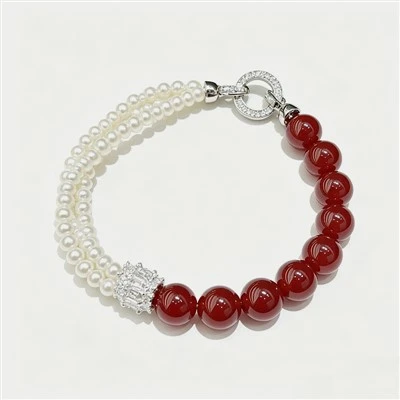
The origin story of crystal pet accessories is, at its core, a story about how love for our pets evolves. It started with old human traditions, adapted to the way we now live with our animals, and grew because we wanted to give our family members little pieces of care that fit their world, not just ours. It’s not a trend that will disappear tomorrow, either—pets will always be family, and we’ll always look for small, thoughtful ways to care for them, whether that’s a custom crystal tag, a polished stone that fits in their bed, or a tiny charm that reminds them they’re loved every day.
By Emotion If you’re a pet boutique owner, a groomer, or a retailer looking to add unique, pet-safe accessories that connect with customers who see their animals as family, we’d love to chat. We source only ethically mined, non-toxic crystals, and all our pieces are tested for safety and durability for every kind of pet, from tiny teacup puppies to large working dogs. Reach out to us to talk about custom orders, bulk pricing, or how we can help you add these meaningful pieces to your inventory.
References
- Bradshaw, J. (2011). The Behaviour of the Domestic Cat. CAB International.
- McMillan, F. D. (2015). Human-Animal Bond: Our Relationship with Animals in Therapy, Culture, and Daily Life. Greenwood Press.
- Animal Behavior Society. (2021). “The Role of Tangible Comfort Items in Reducing Stress in Companion Animals.” Journal of Veterinary Behavior, 32, 45-52.
- Walsh, W. T. (2018). Crystals in History and Culture: From Ancient Amulets to Modern Rituals. ABC-CLIO.
Shenyang Magic Life Co., Ltd.
With abundant experience, we are one of the most professional crystal pet accessories manufacturers and suppliers in China. Please feel free to wholesale custom made crystal pet accessories at competitive price from our factory. Good service and quality products are available.
Address: No.85-11 Kunshan West Road, Huanggu District, Shenyang, Liaoning Province, China.
E-mail: jane@ziyuaqua.com
WebSite: https://www.ziyuaquas.com/
