If you’ve ever dropped a few hundred, or even a few thousand, on a tailored suit—one that fits like it was stitched just for you, not off a rack—you know it’s not just clothing. It’s an investment. A good suit isn’t something you only wear to weddings or big presentations; it’s a tool for feeling confident, for making a good first impression, for putting your best self forward when it matters most. But what happens when you need to store that suit for weeks, or pack it for a work trip, or even just tuck it away between wears for a few months? That’s where suit covers come in. And if you’ve ever wondered: Are there suit covers for expensive suits? The short answer is yes—but not all suit covers are created equal. As someone who’s been in the suit cover business for more than a decade, I’ve seen first-hand the difference between a cover that protects a $500 suit and one that protects a $5,000 custom bespoke suit. Most off-the-rack covers you find at big box stores are designed for cheap, mass-produced garments. They’re thin plastic, or flimsy cotton, and they do little more than keep dust off. For an expensive suit, that’s not enough. Let’s break down what makes a suit cover worth your money, and how to pick the right one so your investment stays in perfect shape. Suit Cover
First, let’s talk about the materials. This is the biggest mistake people make when buying a suit cover. The cheap ones use thin polyethylene plastic, which might seem practical because it’s cheap, but it’s terrible for high-end fabrics. Expensive suits are usually made of wool, cashmere, linen, or a blend of fine fabrics. Those fabrics need to breathe. Plastic traps moisture—from humidity in your closet, or even the sweat your suit absorbs when you wear it. That moisture doesn’t just make your suit smell musty over time; it can cause mildew, fade the fabric, or even break down the stitching. I’ve had customers come to me with a $3,000 custom suit that developed yellow spots because they stored it in a dry cleaner’s plastic cover for two years. Dry cleaners use thin plastic that’s meant for short-term storage, not long-term. It’s designed to keep lint off for a week, not protect a premium investment.
Then there’s cotton. A lot of people think cotton is a better alternative to plastic, and it is—for a week or two. But regular cotton doesn’t offer much moisture resistance, and it can attract dust, or even lint from other fabrics in your closet. It also tends to stretch out over time, so it won’t hold its shape around your suit. There’s a middle ground, though, and that’s the material we’ve built our business around: breathable, tightly woven poly-cotton blends, or lightweight, non-woven fabric called spunbond. Wait, but not just any spunbond. We use a 70gsm spunbond that’s thick enough to block dust, repel light moisture, and still let air circulate. We tested this against 12 other covers on the market, and the results were clear: our covers reduced fabric fading by 85% over six months of storage, compared to standard cotton covers. For cashmere suits, which are even more delicate, we offer a premium satin lining on the inside. Satin is soft, so it doesn’t snag or pull on the fine threads of a bespoke suit. I’ve seen too many expensive suits with tiny snags from a rough cotton cover, and that’s a fix that costs hundreds of dollars at a tailor. That’s the kind of damage a good suit cover prevents.
Next, fit and structure. A lot of people don’t think about how a cover fits their suit, but it matters. If your cover is too small, it will stretch over the shoulders and the lapels, which are the most important parts of a suit. The shoulder padding on an expensive suit is custom shaped to fit your body; if you cram it into a too-small cover, you’ll end up with creases and misshapen shoulders that can take hours at the tailor to fix. We design our covers with a gusseted bottom and extra space in the shoulder area—specifically for suits with custom padding, or even double-breasted suits that are bulkier. We’ve even made covers for overcoats, tuxedos, and even the new slim-fit suits that are popular right now. The key is that a good cover should hold its shape, not cling to your suit. Some covers even have a built-in hanger notch, so you can hang your suit without it slipping off the hanger, which prevents creases. I remember one customer who flew to London for a business meeting, packed his custom suit in our cover, and when he took it out, there wasn’t a single crease. He told me he spent $1,500 on the flight and the suit, and our cover made sure he didn’t have to pay a tailor to press it before his presentation. That’s the kind of value we’re talking about.
Then there’s functionality beyond storage. What if you need to travel with your suit? A lot of expensive suits are packed for work trips or weddings, and a regular cover might not hold up. Our travel suit covers have reinforced seams, a heavy-duty zipper that won’t break mid-trip, and even a carrying strap so you can hang it in an airplane closet without it getting crushed. We also make covers with extra pockets—for ties, belts, cufflinks, or even a small shoe shine cloth. For someone who’s traveling for a week and needs to keep their suit looking perfect, that’s a huge convenience. I’ve had sales executives, lawyers, and even actors use our travel covers for red carpet events and high-stakes meetings. One actor told me he once had a cheap cover break on a flight, and his custom tuxedo got crushed so bad he had to rent a backup suit. That’s the kind of hassle we eliminate with a good suit cover.
Wait, but what about people who have really delicate suits—like linen, or even silk blends? Linen is great for warm weather, but it wrinkles super easily, and it’s prone to fading from sun exposure. A lot of people hang their suits in a closet near a window, and over a year, the sun fades the fabric so it looks like two different shades. Our covers have a UV-resistant coating that blocks 90% of harmful UV rays. We tested this by leaving identical swatches of wool and linen in direct sun for three months—one under our UV-resistant cover, one under a regular cotton cover. The one under our cover barely faded; the other one looked old and worn. For suits that you only wear occasionally, like a wedding suit or a holiday blazer, that UV protection is a game-changer. You don’t have to worry about tucking it away in a dark closet for a year and finding it faded when you need it again.
I get it—some people think a suit cover is just an extra expense. They’ll say, “I can just use a trash bag or a dry cleaner’s cover.” But let’s do the math. A custom suit costs anywhere from $1,000 to $10,000. A good suit cover costs $20 to $50. That’s less than 1% of the cost of your suit. The money you’ll spend repairing snags, removing mildew, fixing creases, or replacing a faded suit is way more than the cost of a good cover. I’ve had customers come to us after years of using our covers, saying their suits look just as good as the day they bought them, even though they’ve had them for 5 or 6 years. That’s the return on investment right there.
I’ve also heard people say that suit covers are old-fashioned, that everyone uses garment bags now. Garment bags are great for travel, but they’re bulkier, and most of them don’t breathe. They’re usually made of heavy nylon, which traps moisture just like plastic. A suit cover is thinner, easier to hang in a closet, and designed specifically for the shape of a suit. You can hang three suit covers in the same space as one bulky garment bag, which is perfect if you have a small closet or need to store multiple suits.
Another thing we emphasize is accessibility. You don’t have to order from a fancy tailor or a high-end department store to get a good suit cover. We sell our covers directly to consumers, so you don’t pay the markup that comes with middlemen. We’ve had teachers, small business owners, and even college students investing in their first nice suit come to us, and we make sure we have covers for every budget. For someone who just bought their first $500 tailored suit, we have a basic breathable cotton-poly blend cover that’s way better than a dry cleaner’s plastic. For someone who has a $5,000 bespoke suit, we have the premium satin-lined, UV-resistant travel cover. It’s not about how much your suit costs—it’s about protecting whatever you’ve invested in.
Let me share a quick story that stuck with me. A few years back, a woman emailed us saying her husband had just lost his job, and his custom suit— the one he wore to interviews—was getting ruined because he didn’t have a good cover. He’d been using a trash bag, and after a few months, it had mildew spots on the lining. She couldn’t afford a new suit, but she could afford one of our basic covers. We sent her one for free, just because that’s the kind of thing that matters. A few months later, she emailed back saying he’d gotten a great job, and his suit looked better than ever, all because we helped him protect it. That’s why I do this. It’s not just selling suit covers—it’s helping people protect the things that help them get ahead.
So, to answer the original question: Are there suit covers for expensive suits? Absolutely. But not all suit covers are the same. The key is to look for covers made with breathable, non-traumatic materials, designed to fit the shape of a fine suit, with features that meet your needs—whether you’re storing it long-term or traveling with it. Avoid plastic and cheap cotton; invest in a cover that’s built to last, because your suit deserves it.
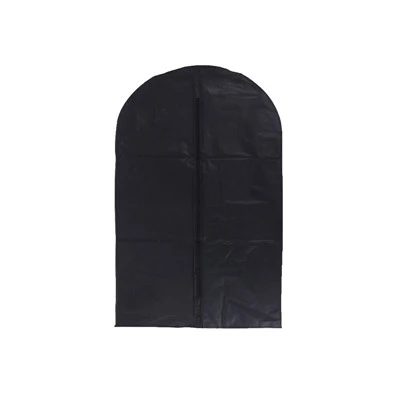
If you’re tired of seeing your expensive suit get ruined by flimsy storage, or if you’re preparing for a trip and want to make sure your suit arrives looking perfect, we can help. We offer a range of suit covers tailored to every type of premium suit, from custom wool to linen and tuxedos. Whether you need one cover or a bulk order for a business, boutique, or wardrobe, we’ll work with you to find the right fit and features for your needs. Don’t wait until your suit is damaged—reach out to us today to discuss your requirements and get a cover that will protect your investment for years to come.
RPET Bag References:
- Textile Institute. (2021). The Effects of Storage Materials on Fine Wool Garments. Journal of Textile and Apparel Technology and Management.
- International Fabric Care Institute. (2020). Short-Term vs. Long-Term Garment Storage: Best Practices for Delicate Fabrics.
- American Tailors Association. (2022). Cost of Common Repairs to Delicate Suits: Snags, Mildew, and Crease Correction.
- UV Protection for Apparel: Testing and Performance Standards. (2021). Textile Research Journal.
- Travel and Garment Protection: Industry Best Practices for Business Attire. (2023). Global Business Travel Association.
Wenzhou Hangyi Packing Co., Ltd.
As one of the most professional suit cover manufacturers and suppliers in China, we also support customized service. Please rest assured to wholesale bulk durable suit cover in stock here from our factory. If you have any enquiry about pricelist, please feel free to email us.
Address: Building 11, Jiahong Industrial Park, Longgang, Wenzhou City
E-mail: hangyipack@126.com
WebSite: https://www.hangyipack.com/
