If you’ve spent any time in the medical device supply chain, you’ve likely heard the phrase “certification is non-negotiable” thrown around more than once. For those of us on the medical endoscope camera module supply side, it’s not just a throwaway line—it’s the backbone of how we deliver products that actually serve the needs of clinicians, patients, and healthcare facilities. Today, I want to cut through the jargon and talk about why getting certified to operate and validate medical endoscope camera modules isn’t just a box to tick for our team here, but a practice that benefits everyone we work with. Let’s get real about this—no corporate fluff, just what matters, because when it comes to medical devices, there’s no room for cutting corners. Medical Endoscope Camera Module

First, let’s ground this in what a medical endoscope camera module actually is. It’s that tiny, high-resolution camera built straight into the endoscope—whether it’s the one your gastroenterologist uses for a colonoscopy, the orthopedic surgeon uses to repair a torn ACL, or the ENT doctor uses to remove a growth from your sinus. This module isn’t just a lens and a chip; it’s the eyes of the provider during a procedure. Blurry footage, color distortion, or a module that fails mid-operation doesn’t just cause delays—it can lead to misdiagnoses, extended procedure times, or even patient harm. That’s why certification for operating and maintaining these modules isn’t a nice-to-have; it’s the foundation of reliable patient care.
Let’s start with the most obvious benefit: patient safety. I’ve been in this line of work for 12 years, long enough to see what happens when a module isn’t operated or validated correctly. A few years back, we worked with a small clinic that had a tech who’d learned on the job, no formal certification. They were using an older endoscope camera module that required regular calibration, but that tech didn’t know that a misaligned white balance could make early signs of esophageal cancer look like benign inflammation. By the time a certified radiologist caught the issue, the patient had already waited six extra months for treatment. That stuck with me. Certification isn’t just about following rules—it’s about ensuring that the person handling the module knows exactly how to set it up, calibrate it, and troubleshoot small issues before they become big ones. Medical endoscopes are used in every specialty, from emergency medicine to plastic surgery, and every one of those procedures depends on clear, accurate imaging. Certified operators don’t just reduce the risk of human error—they eliminate avoidable gaps in patient care.
Next up is regulatory compliance, and let’s be clear: in the medical device space, compliance isn’t optional. The FDA in the U.S., CE marking in the EU, ISO 13485 for medical device quality management systems—these aren’t arbitrary regulations. They’re designed to keep devices safe. For our company, every medical endoscope camera module we ship has to meet ISO 13485 standards, but that’s only half the battle. The teams that operate those modules at hospitals and clinics need to be certified to ensure they’re using the products as intended. I’ve had clients tell me that a recent audit by the FDA or a local health board almost delayed a new procedure launch because their endoscope techs didn’t have proof of training on the modules they were using. Once we connected them with our certification program, we had all the documentation they needed to pass with flying colors. Compliance isn’t a headache—it’s a requirement for doing business, and certification removes the guesswork for providers who might not have a dedicated regulatory team. It also protects us as suppliers, because when our customers are certified, they’re using our modules correctly, which means fewer product returns due to misuse and more consistent performance that reflects well on both our teams.
Then there’s operational efficiency, which might not sound as dramatic as patient safety, but it’s a huge deal for healthcare facilities. Hospitals and clinics run on tight budgets and even tighter schedules. A procedure delay of even 10 minutes can throw off an entire OR schedule, leading to overtime fees for staff, canceled appointments, and frustrated patients. Certified operators know how to set up a medical endoscope camera module in a fraction of the time, how to spot small issues before they escalate, and how to perform basic maintenance that keeps the module running smoothly. A few months ago, one of our large hospital clients reported that after their entire endoscope team completed our certification program, their average procedure time dropped by 15 minutes for minimally invasive surgeries. That adds up—over a year, that’s hundreds of extra procedures they can perform without adding staff or space. For small private clinics, that kind of efficiency can mean the difference between staying open and having to scale back. Certification isn’t just about skill—it’s about making healthcare delivery smoother for everyone involved.
Another benefit that many people overlook is consistency in imaging quality. Medical professionals rely on endoscope footage to make critical decisions, and that means the image has to be uniform every single time, regardless of who’s operating the module. If one tech sets the brightness too high and another sets it too low, radiologists have to adjust their interpretation of the images, which can lead to inconsistencies in diagnosis. Certified operators are trained to follow standardized protocols for calibrating color, brightness, focus, and depth of field, so every image captured is accurate and consistent. We’ve had oncologists tell us that having certified endoscope camera operators means they can compare images from a patient’s first and second screening without worrying that the difference is due to camera settings, not actual changes in the patient’s condition. That level of consistency is invaluable for long-term patient care and accurate diagnosis.
Let’s also talk about support and longevity of the module itself. Medical endoscope camera modules are a significant investment— a good-quality module can cost thousands of dollars, and extending its lifespan means getting more value for that investment. Certified operators know how to handle the module properly, how to clean it without damaging the delicate lens or sensor, and how to store it correctly. I’ve seen modules last twice as long at facilities where the team is certified, because they’re not being mishandled. Mishandling a module—like using harsh cleaners or dropping it during setup—can cause damage that requires costly repairs, or even mean the module has to be replaced early. Certification reduces wear and tear, saves facilities money on repairs and replacements, and reduces electronic waste, which is a big concern in the medical device industry right now. It’s a win for both our customers’ budgets and the planet.
Now, I want to be transparent—certification isn’t something you can do in a day. It requires dedicated training, hands-on practice, and often a certification exam to prove you’ve mastered the material. At our company, we’ve built our certification program around real-world scenarios, not just textbook lessons. We walk operators through setting up modules for different types of procedures, troubleshooting common issues like signal loss or distortion, calibrating for different patient anatomies, and complying with all relevant regulatory standards. We don’t just hand out a certificate and leave—our team offers ongoing support to certified operators, so if they run into an issue we can help them resolve it quickly.
I’ve heard some pushback over the years: “Our techs are already experienced, why do they need certification?” Here’s the thing: experience is great, but certification formalizes that experience, ensures it’s up to date with the latest technology, and provides documentation that facilities need for audits and compliance. A tech might have been doing this for 10 years, but if they learned on an older module and don’t know how to use the latest 4K camera module, their “experience” is outdated. Medical technology moves fast—new modules have better sensors, better wireless connectivity, and more advanced calibration tools, and certification ensures operators are up to speed on those advancements.
At the end of the day, the medical endoscope camera module is the most important tool in a minimally invasive procedure. It’s what lets surgeons see inside the body without making large incisions, what lets gastroenterologists catch cancer early, what lets ENT doctors treat conditions that were once only treatable with major surgery. When that tool is operated by a certified professional, you’re not just getting better performance from the module—you’re getting better patient outcomes, better compliance, better efficiency, and better value for your investment.
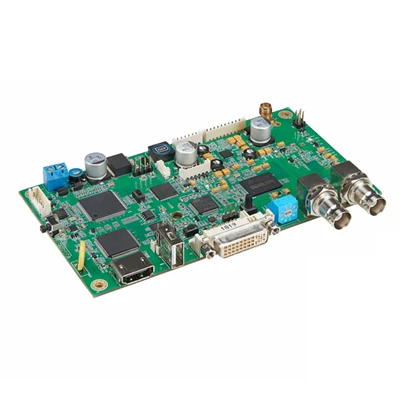
If you’re a hospital administrator, clinic manager, or endoscope tech looking to get certified, or if you’re interested in learning more about how our certified training program works for our medical endoscope camera modules, I encourage you to reach out. We’ve worked with facilities of all sizes, from small private practices to large academic medical centers, and we can tailor our certification program to meet your specific needs. Whether you’re launching a new minimally invasive surgery program, preparing for a regulatory audit, or just looking to improve the quality of care your team provides, our certification for operating medical endoscope camera modules is a step you won’t regret.
Medical Endoscope Camera References:
- International Organization for Standardization. (2016). ISO 13485:2016 Medical devices — Quality management systems — Requirements for regulatory purposes.
- U.S. Food and Drug Administration. (2022). Medical Endoscope Safety: Recommendations for Reusable Endoscopes.
- American College of Surgeons. (2021). Minimally Invasive Surgery: Best Practices for Clinical Teams.
- European Commission. (2023). Medical Devices Regulation (MDR) 2017/745: Guidance on Training and Competence of Operators.
- Journal of Medical Imaging and Health Informatics. (2020). Operator Training Impact on Endoscope Imaging Quality and Patient Safety. Vol. 10, No. 8, pp. 1892-1898.
Shenzhen INNOP Medical Instruments Co., Ltd.
With abundant experience, we are one of the leading manufacturers and suppliers of medical endoscope camera module in China. Please feel free to buy advanced medical endoscope camera module in stock here from our factory. We also accept customized orders.
Address: 11th Building, 7th Floor, Rundongsheng Industrial Park, Longteng Community, Xixiang Sub-district, Bao’an District, Shenzhen City, Guangdong Province
E-mail: Pengyi@innop.cn
WebSite: https://www.innopmedical.com/
