If you’ve ever walked a manufacturing floor where EPS block molding machines run around the clock, you know that even a small glitch can bring an entire line to a halt. As someone who’s supplied EPS block molding machines to factories across three continents for the past 12 years, I’ve seen what happens when stability is an afterthought: scrapped batches, missed delivery deadlines, and repair bills that eat into profit margins. A machine that feels solid on the showroom floor can unravel under the pressure of daily, heavy use, so today I’m sharing the practical, field-tested steps we teach our clients to keep their equipment running steady—no fancy jargon, just real-world lessons from people who deal with these machines day in and day out. EPS Block Molding Machine
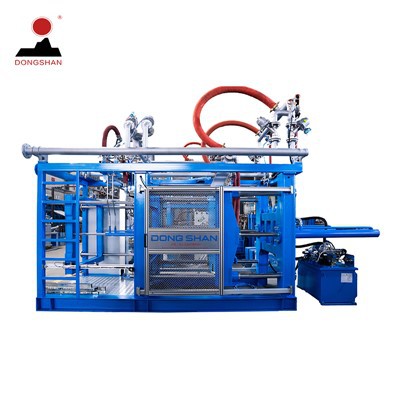
Start with the foundation, because stability lives in the details you don’t see until it’s too late. I once worked with a small packaging factory in Ohio that had a new EPS molding machine, but it kept shifting 2 millimeters to the left mid-cycle, warping every block. Their maintenance team blamed the machine’s internal parts, but when I walked the floor, I noticed the concrete pad under the machine was only 4 inches thick, and the factory’s forklift traffic had compacted the soil around it. For this machine, the foundation isn’t just a concrete slab—it needs to be at least 8 inches of reinforced concrete, anchored to the ground with steel bolts spaced every 18 inches, and placed away from heavy machinery that vibrates. We always provide a detailed foundation layout with every machine we sell, but I still get calls from clients who skip this step. Don’t be that person. A weak foundation turns small, manageable vibrations into a machine that rumbles so loud it breaks nearby sensors, and fixing it later costs 10 times more than getting it right from the start.
Next, master the regular maintenance schedule that’s tailored to EPS molding, not generic industrial gear. A lot of new operators think “maintenance” means changing oil once a month, but EPS machines generate a lot of dust—tiny, lightweight polystyrene beads that get into every crevice, from electrical connections to hydraulic lines. Our service team has a rule: every 400 production hours, do a deep clean of the machine’s steam lines. Over time, condensed steam and leftover polystyrene build up, restricting steam flow and causing uneven heat in the mold, which makes blocks expand inconsistently and puts extra stress on the machine’s clamps. We’ve also found that checking the mold’s locking mechanism every 100 production hours is non-negotiable. If the locking bolts are slightly loose, the mold can shift during the high-pressure molding cycle, and the result is a cracked block that can’t be used. We give every client a printed checklist with these time-based tasks, but we also train their operators to do a quick pre-start check every morning: run a test cycle, listen for unusual noises, and check that all pressure gauges are within the specified range. The operators who do this 5-minute check every day never have the catastrophic breakdowns that bring lines to a stop.
Hydraulic systems are another common culprit of instability, and most problems here are preventable. EPS block molding machines rely on hydraulic pressure to open and close molds, inject polystyrene, and eject finished blocks. If the hydraulic fluid is old or contaminated, pressure drops unexpectedly, leading to incomplete molding or stuck molds. I’ve had clients ask me why we specify high-quality, anti-wear hydraulic fluid, instead of the cheaper stuff they can get at the local auto parts store. The answer is simple: the cheap fluid breaks down faster, and the polystyrene dust that gets into the system mixes with it, wearing down the pump and valves. We recommend changing the hydraulic filter every 200 production hours and replacing the full fluid every 1,000 hours. Also, keep the hydraulic reservoir at the correct level—too low, and the pump sucks in air, creating spongy pressure that makes the mold move erratically. I once visited a plant in Mexico that had a hydraulic pump fail after only 18 months, and when we opened the reservoir, we found it was half empty, covered in a thick layer of polystyrene dust. That $10 filter and $800 worth of fluid would have saved them $4,000 in a new pump and a week of lost production.
Don’t overlook the importance of calibrating the machine’s controls regularly. Modern EPS block molding machines have electronic controls that regulate steam pressure, cooling time, and mold temperature. If these controls are off by even 1%, the final block will be inconsistent, and over time, this inconsistency puts extra stress on the machine’s mechanical parts. We tell our clients to calibrate the temperature and pressure sensors every 500 production hours. A common mistake here is using a generic calibration tool—you need a tool that’s specifically designed for EPS molding processes, because polystyrene reacts to heat and pressure differently than other materials. Also, don’t let unqualified technicians adjust the control settings. I’ve seen operators tweak the steam pressure to “speed up” production, only to overheat the mold and warp the metal, which requires replacing an entire mold half. The control settings are calibrated at the factory to balance speed, quality, and stability—changing them without understanding the impact is a fast track to machine trouble.
Another key factor is operator training, and I don’t mean the 2-hour video we send with every machine. The best operators for EPS molding machines are the ones who understand how the machine works, not just which buttons to push. I once worked with a factory in Poland that had a high turnover of machine operators, and every new hire would run the machine for a month before making a small mistake that caused a breakdown. We started offering on-site training for their entire team, not just new hires, and the number of unplanned stops dropped by 40% in six months. The training covers things like recognizing early warning signs: a slight drop in steam pressure, a new squeak from the mold, or a block that’s slightly misshapen. These small signs mean a part is starting to wear, and catching it early lets you fix it during a scheduled maintenance stop, not when the machine is down for 8 hours waiting for a replacement part. We also teach operators how to handle unexpected power outages correctly—if you just turn the machine off without cooling the mold, the polystyrene will expand and get stuck, which requires disassembling the mold, a job that takes hours and can damage the mold’s surface permanently.
Finally, build a partnership with your machine supplier, not just a one-time purchase. A lot of factories buy an EPS molding machine, put it in place, and only contact the supplier when something breaks. But the best way to ensure long-term stability is to have a support team that knows your machine inside and out. We provide all our clients with a 24/7 support line, access to our spare parts warehouse, and regular on-site inspections for machines that have been in use for more than two years. We also offer upgrade packages—things like vibration dampers for machines that run in older factories, or automatic cleaning systems for clients that run 24-hour shifts. One of our long-term clients in Vietnam added an automatic steam line cleaner to their machine after three years, and it cut their maintenance time on steam lines by 70%. The best part about working with a supplier is that you don’t have to figure out every problem on your own. When you have a question about a small noise or a pressure drop, calling us is faster than ordering a new part or troubleshooting for hours.
I’ve seen EPS block molding machines run reliably for 10 years or more, and I’ve seen ones that need major repairs after two years. The difference isn’t in the machine itself—it’s in how it’s installed, maintained, operated, and supported. Stability isn’t something that just happens when you buy a good machine. It’s a combination of getting the basics right, staying on top of regular checks, training your team, and working with a supplier that cares about your long-term success.
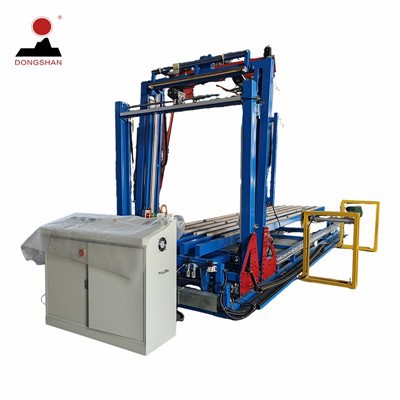
If you’re looking to upgrade your EPS block molding machine, or if you’ve been dealing with unstable equipment that’s costing you time and money, we’re here to help. We’ll walk you through the right installation requirements, create a custom maintenance plan for your production schedule, and provide the support you need to keep your machine running smoothly for years to come.
Vacuum System References
EPS Molding Machine Operation and Maintenance Manual. Manufacturer’s Documentation; 2021.
Industrial Vibration Analysis for Production Equipment. Society of Maintenance and Reliability Professionals; 2019.
Hydraulic Systems for Plastics Processing. Hanser Publications; 2020.
Hangzhou Fuyang Dongshan Plastic Machinery Co., Ltd.
Hangzhou Fuyang Dongshan Plastic Machinery Co., Ltd. is one of the most professional EPS block molding machine manufacturers and suppliers in China, featured by quality products and low price. Please feel free to wholesale advanced EPS block molding machine made in China here and get quotation from our factory. Customized orders are welcome.
Address: 101 Guanting, Baiqian Villige, Luzhu Town, Fuyang District, Hangzhou City, Zhejiang Province, China
E-mail: xu@dong-shan.cn
WebSite: https://www.epseppmachinery.com/
