When I first started my PV accessories supply business back in 2012, I spent hours on job sites with installers who’d show up with solar panels in their trucks but missing the small stuff—parts that weren’t “sexy” like the panels or inverters, but without them, a whole array wouldn’t turn on. I learned real fast that PV systems are only as reliable as their accessories, and skimping on those parts leads to callbacks, downtime, and frustrated homeowners or commercial clients. Now, after 11 years of talking to installers, engineers, and residential buyers across North America, I can tell you exactly which PV accessories are common, why they matter, and how getting them right makes or breaks a project. Let’s break down the most frequently used ones, from the bolts that hold panels down to the wires that carry power, and why you should never underestimate any of them. PV Accessories
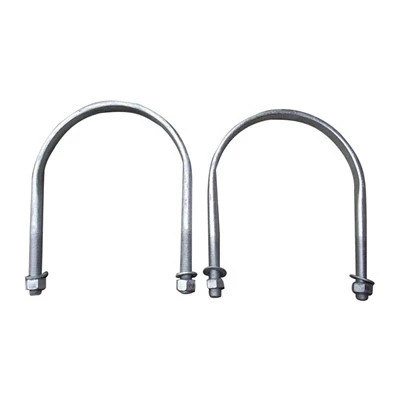
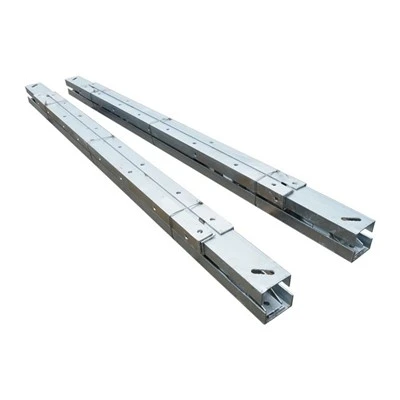
First up, mount hardware—this is the backbone of any PV array, and there’s way more to it than just a piece of aluminum. When I meet a new installer, the first question I ask is whether they’re using matching rail fasteners for their roof or ground mounts. Most people think mounts are just rails, but no: you need structural bolts, washers, and nuts that are rated for outdoor use, because if a bolt rusts in five years, that panel could shift, crack, or even tear free during a storm. I remember a residential job last year where an installer used regular steel bolts instead of galvanized ones on a sloped asphalt roof; by year three, the bolts had corroded so much we had to replace 12 fasteners mid-season, and the client was stuck paying for both parts and labor. That’s why galvanized or stainless steel hex bolts and lock washers are non-negotiable—they prevent vibration loosening, which is a huge issue with solar arrays that get wind or snow load. Also, mounting clamps: end clamps and mid-clamps. End clamps fix the last panel in a row, while mid-clamps connect two panels in the middle; using the wrong size here can leave a gap that lets water seep into the panel frame, leading to corrosion inside. I keep a full stock of clamps sized for 30mm, 35mm, and 40mm panel frames because different manufacturers make different widths, and installers don’t have time to wait for a shipment in the middle of a roof job. For ground mounts, we also supply post anchors that bolt into concrete footings—these have to be heavy-duty to hold 10,000 lbs of array and survive freeze-thaw cycles in the Midwest or hurricane winds in Florida.
Next, electrical accessories, and this is where mistakes cause the most safety risks. The biggest one I see all the time is improper PV wire vs. regular THHN wire. New installers sometimes grab whatever’s in their truck, but PV wire is rated for UV resistance and can handle extreme temperature swings from -40°F to 194°F, which regular household wire can’t. If you use regular wire outdoors, it will crack in two years, leading to exposed wiring and fire hazards. I also stock MC4 connectors—these are the industry standard, and for good reason. They’re waterproof, lock tight, and prevent connections from coming loose due to expansion and contraction from heat. A lot of people cut corners here and use cheap generic connectors, but I’ve tested ones that come apart after 10 thermal cycles, and that’s a disaster. We also supply junction boxes for array strings—these let you organize multiple panels into strings so you can connect to the inverter easily, and they have to be NEMA-rated for outdoor use, otherwise rain will get in and cause short circuits. Another underrated part: surge protection devices (SPDs). I can’t tell you how many times a client has called after a summer thunderstorm, saying their inverter died. SPDs clamp down on excess voltage from lightning or power surges, protecting both the inverter and the whole array. I always tell installers to put SPDs on both the DC side (between panels and inverter) and the AC side (between inverter and grid)—it’s a small cost that saves thousands in repairs.
Then there are balance of system (BOS) accessories that keep the system running and maintain its efficiency. Cable management is huge here—PV wires can’t just be strung across a roof; they need cable trays, straps, or conduit to hold them in place, prevent them from rubbing against metal mounts (which would wear through the insulation), and keep them hidden so they don’t get damaged by animals or foot traffic. I also supply stringing tools, because pulling 10 gauge PV wire through a conduit by hand is a nightmare. Tools like fish tapes and crimping tools make the job faster and ensure connections are tight, which reduces resistance and boosts efficiency. One accessory I’ve started stocking more of lately is panel cleaning kits, especially for commercial projects in dusty areas. Dirt and dust on panels can reduce output by 10-15%, so a simple soft brush and deionized water system lets installers or maintenance teams keep panels clean without scratching the glass. We also have edge trim for roof mounts, which covers the sharp edges of the aluminum rails—this protects the panels from scratches and prevents workers from cutting their hands during installation.
Wait, let’s not forget about grounding accessories, which are non-negotiable for safety. A lot of new installers skip this or use undersized ground wires, but proper grounding protects the system from lightning strikes and ensures that if there’s a fault, electricity flows safely to the ground instead of through a person. We supply ground rods rated for 8ft, which is the standard, and copper grounding cables sized for the array’s total current. I always advise that ground rods be driven at least 8ft deep, and if the soil is rocky, use a ground rod extender—otherwise the rod won’t make good contact, and the grounding won’t work. Also, grounding lugs that fit both the panel frame and the ground wire—using the wrong lug leads to loose connections and higher resistance, which defeats the purpose of grounding.
What I’ve learned over the years is that every accessory is designed for a specific reason, and cutting corners on even the smallest part costs everyone money. I’ve had a residential client a few years ago who tried to save $50 on generic MC4 connectors; two years later, a connector came loose, and the array’s output dropped by 20% before we found the issue. That $50 mistake cost the client thousands in lost production, plus the cost of repairs. That’s why I make sure my stock is all UL-listed, not just cheap no-name parts. I test every product before I add it to my inventory, because if one part fails under my name, my reputation is gone.
I also adjust my stock based on what my customers actually need. In the last two years, I’ve seen a big shift toward rooftop residential systems, so I’ve increased my stock of low-profile mounts that don’t protrude too much from asphalt shingle roofs. For commercial projects, I keep a lot of ground mount post anchors and high-amp junction boxes. During solar peak season—March to June in most of the U.S.—I double my stock of fasteners, connectors, and PV wire because installers need parts fast, and they can’t wait for a special order. I even have a delivery van that runs daily within a 100-mile radius, so if an installer runs out of mid-clamps on a Tuesday morning, I can drop off a new box before lunch.
If you’re a solar installer, a homeowner planning a small system, or a general contractor working on a commercial project, you know how critical it is to have reliable PV accessories that show up on time and work as advertised. I’ve built this business on being that supplier—someone who listens to your problems, stocks the parts you actually need, and doesn’t sell you cheap junk. Whether you’re building a 5-panel residential array or a 1MW commercial farm, having the right mount hardware, electrical parts, BOS components, and grounding accessories is what turns a good system into a long-lasting, efficient one.
If you’re looking for a trusted supplier for your PV accessories needs, reach out to discuss your project requirements, bulk pricing, or custom part requests. I’m here to help you get the right parts at the right time, no runarounds, no cheap shortcuts.
PV Accessories References
- Solar Energy Industries Association (SEIA). (2022). Balance of System (BOS) Equipment Standards for Grid-Tied PV Systems.
- International Electrotechnical Commission (IEC). (2021). IEC 62548: Photovoltaic (PV) systems – Design requirements for grid connection.
- Underwriters Laboratories (UL). (2023). UL 1703: Standard for Flat-Plate Photovoltaic Modules and Panels (including accessory compatibility).
- North American Board of Certified Energy Practitioners (NABCEP). (2022). PV Installation Professional Certification Candidate Handbook.
Hebei Pubang Fastener Manufacturing Co., Ltd.
We are one of the most professional PV accessories manufacturers and suppliers in China, featured by quality products and good price. Please rest assured to buy advanced PV accessories for sale here and get quotation from our factory. We also accept customized orders.
Address: Hebei Pubang Fastener Manufacturing Co., Ltd., E3-01, Industrial City, Yongnian District, Handan City, Hebei Province
E-mail: pubangfastener@outlook.com
WebSite: https://www.hbpbfastener.com/
