If you’re an agrochemical raw material (TC) supplier, you know that keeping inventory of active ingredients isn’t just about having stuff on shelves—it’s about keeping your business running and farmers across the globe able to protect their crops when they need to. I’ve been in this game for 8 years now, and I’ve seen way too many headaches from inventory mismanagement that range from minor annoyances to straight-up missed sales or even major compliance scares. Let’s cut the jargon and talk about the real, messy issues we deal with day-to-day when holding TC stock. Agrochemical Raw Material(TC)

First off, the biggest one I always flag is supply chain volatility that’s absolutely out of left field for TC. Back in 2022, we had a core herbicide TC that we sourced from a single chemical plant in India go down for 3 months because of a boiler explosion—overnight, our stock levels dropped to 12% of what we’d projected for that quarter. The thing about TC is that most of it comes from a handful of specialized facilities; you can’t just fire up a random plant making laundry detergent and switch it to TC. Plus, regulatory hoops mean even if a plant could ramp up fast, they can’t sell to us without months of EPA or EFSA approval, right? We used to keep 3 months of safety stock of our top 5 TCs, but lately that’s become a band-aid because lead times for raw chemicals to make the TC are stretching from 4 weeks to 12. Last year, we waited 6 weeks on a shipment of phthalic anhydride that’s used in a fungicide TC—our production line was sitting idle, and that $120k in stock we’d ordered had to be stored extra long because we couldn’t move it out fast enough. It’s a catch-22: hold too much and you tie up cash in dead stock, hold too little and you can’t fulfill big orders from our regular distributors in Latin America.
Then there’s the expiration and stability issue that’s unique to TC. Most people think raw chemicals don’t go bad, but TC is different. A lot of insecticide and fungicide TCs break down if stored at too high a temperature or exposed to moisture, and unlike formulated products, there’s no way to re-stabilize them once they’re past their shelf life. We had a run of pyrethroid TC in 2021 that we stored in a old warehouse in Texas during a summer heatwave—temperatures hit 105°F for 3 weeks, and by the time we checked a sample batch, 28% of the active ingredient had degraded. We had to write off $85k worth of stock that we thought was good to go. The worst part? We can’t just return expired TC to the manufacturer for a refund—most of them only cover defects in the first 30 days, and stability testing is our responsibility once it leaves their loading dock. Also, shelf life labels are just guidelines too; depending on how you store it, a TC that says it’s good for 2 years might be useless in 18 months if your warehouse has bad insulation. That makes forecasting inventory so hard because the shelf life isn’t a fixed number—you have to test every batch every few months, which adds time and cost.
Another headache is regulatory and compliance hang-ups that mess with inventory movement. TC isn’t a commodity like wheat or steel—it’s classified as a hazardous chemical for shipping and storage, which means different rules for every country we send to. For example, we have a distributor in Nigeria that needs a certain herbicide TC, but Nigerian Customs recently updated their list of restricted hazardous chemicals, so we can’t send more than 2 pallets at a time. Last quarter, we had a order from them for 8 pallets, so we ended up with 6 extra pallets sitting in our US warehouse for 2 months because we couldn’t ship them fast enough. In the EU, EFSA requires us to have full traceability for every TC batch, down to the exact raw material shipment used to make it. So when we get a stock of TC, we have to log every detail—batch number, storage location, test results, shipping documentation—into a system that can’t just be a basic Excel sheet. If we mess up a single entry, we can’t sell that batch to EU customers, no exceptions. That means we have to tie up staff time in inventory tracking that could be spent on sales, and if a batch doesn’t meet traceability requirements, it’s dead stock we can’t use.
Don’t even get me started on demand forecasting being basically guesswork half the time. Farmers’ pesticide needs are tied to weather, right? If there’s an early drought in Brazil, that means more herbicide demand; if there’s an early monsoon in Southeast Asia, that means more fungicide. Last year, we projected a 15% uptick in insecticide TC because of a predicted locust outbreak in Kenya, but the locusts never came—we ended up with $110k in insecticide stock that we had to discount 30% just to get rid of before it expired. On the flip side, in 2020, we underforecasted fungicide TC because we didn’t expect a record wet spring in the Midwest US, and we had 3 distributors calling us daily begging for stock that we couldn’t deliver. We lost two of those distributors because we couldn’t fulfill their big orders, and they went to a competitor that had more stock. The problem is, agricultural demand is super volatile and dependent on factors we can’t control—weather patterns, government farm policies, even global commodity prices that make farmers plant more or less of certain crops. TC demand moves with all of that, and most forecasting models don’t account for the tiny, hyper-local shifts that matter for distributors.
Oh, and let’s talk about cash flow tied up in inventory. TC is not cheap—we’re talking $15k to $50k per metric ton for our most common TCs. If we buy 10 metric tons of a new herbicide to meet an expected order, that’s $300k sitting in a warehouse, not making us any money. Last year, we had a distributor cancel a 7-metric ton order for a fungicide TC two weeks before it was ready to ship—they’d found a cheaper supplier in China. We couldn’t sell that 7 tons to anyone else because it was formulated specifically for their end product, so we had to store it for 18 months until another distributor needed a custom batch, and we only got 80% of our initial cost back. That’s $105k lost just because a single order got canceled. Most small to mid-sized agrochemical suppliers like us don’t have deep pockets like the big guys, so tying up cash in dead stock can put us in a real bind—we’ve had to delay paying our raw material suppliers a few times because we had too much inventory tied up in TC that wasn’t moving.
Wait, there’s also the issue of batch integrity and lot segregation. TC isn’t a uniform product—each batch is slightly different, based on the raw materials used and the manufacturing process. So if we mix two different batches of the same TC in the same storage drum, we can’t tell which batch has which stability data or test results. Last year, we had a batch of insecticide TC that failed a purity test, and we traced it back to a mixing error in our warehouse—we had to pull 12 drums of that TC out of storage, test each one individually, and segregate the good batches from the bad ones, which cost us $22k in labor and testing fees, plus we missed a deadline for a big distributor order. If we had a better inventory system that could track each batch separately, we wouldn’t have had that problem, but implementing that system costs tens of thousands of dollars, which is hard to justify when margins on TC are already thin.
I’ll be honest, these issues have made me rethink how we handle inventory a lot over the years. We used to hold 4 months of safety stock, but now we only hold 6 weeks of our top 3 TCs, and we work with local third-party warehouses in key regions (like Brazil, Germany, and Australia) to store extra stock there instead of at our main US facility. We also do quarterly checks of all stored TC batches for stability, even if they’re not due for testing yet. It’s not perfect, but it’s helped cut down on dead stock by 22% in the last year.
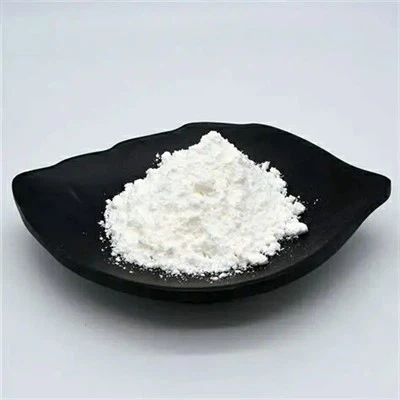
If you’re a distributor or farmer looking for a reliable TC supplier, you don’t want to deal with the inventory mess that I just talked about—you want someone who’s got their stock sorted, who can deliver when you need it, and who doesn’t sell you expired or degraded material. We’ve been working through these issues, and we’ve built a system that’s transparent, flexible, and compliant with all global regulations. If you need agrochemical raw material TC that’s in stock, tested, and ready to ship, hit us up to talk through your needs.
Agrochemical Raw Material(TC) References:
- Food and Agriculture Organization of the United Nations. (2021). Agrochemical Inventory Management: Challenges and Mitigation Strategies for Small and Medium Suppliers. Rome: FAO Publishing.
- European Food Safety Authority. (2022). Traceability Requirements for Active Substances in Plant Protection Products. Parma: EFSA Journal.
- American Chemistry Council. (2023). Stability and Shelf Life Considerations for Technical Grade Agrochemicals. Washington, DC: ACC Regulatory Affairs.
Shandong Hefan Chemical Products Co., Ltd.
As one of the most professional agrochemical raw material(tc) manufacturers and suppliers in China, we’re featured by quality products and good price. Please rest assured to buy bulk agrochemical raw material(tc) made in China here from our factory. Also, quotation is available.
Address: QIANZHAO BUSINESS BUILDING NO. 709LUOZHAO ROAD,TIANQU INDUSTRY ZOON, DEZHOU, SHANDONG, CHINA
E-mail: sales@hefanchem.com
WebSite: https://www.hefanchem.com/
