Barite, chemically known as barium sulfate (BaSO₄), is a mineral that has long been recognized for its unique properties and diverse applications. As a professional barite supplier, I have witnessed firsthand how this remarkable mineral significantly contributes to the automotive industry. In this blog post, I will explore the various ways barite plays a crucial role in the automotive sector, from enhancing safety to improving performance. Barite

1. Brake Systems: The Safety Anchor
One of the most critical applications of barite in the automotive industry is in brake systems. Brake pads and linings are essential components that ensure the safe operation of vehicles by converting kinetic energy into heat energy through friction. Barite is a key ingredient in these brake components due to its high density and excellent friction properties.
High – Density Advantage
Barite has a high specific gravity, typically ranging from 4.0 to 4.6 g/cm³. When incorporated into brake pads and linings, this high density helps to increase the overall weight of the component without significantly altering its volume. This added weight is beneficial as it enhances the stability of the brake system, reducing vibrations and noise during braking.
Friction Modification
In addition to its density, barite helps to modify the friction characteristics of brake materials. It acts as a friction modifier, helping to maintain a consistent coefficient of friction over a wide range of temperatures and operating conditions. This consistent friction is crucial for reliable braking performance, ensuring that the vehicle can stop safely and efficiently in all situations.
For example, when a vehicle is traveling at high speeds and suddenly needs to stop, the brake pads must be able to generate sufficient friction to slow down the wheels. Barite – enhanced brake pads can withstand the high temperatures generated during such extreme braking events and still provide consistent stopping power.
2. Sound Insulation: A Quiet Ride
Another important contribution of barite to the automotive industry is in sound insulation. Noise, vibration, and harshness (NVH) are significant factors that affect the comfort and driving experience of vehicle occupants. Barite is used in various sound – insulating materials to reduce the transmission of noise into the vehicle cabin.
Mass Loading for Sound Absorption
Barite’s high density makes it an ideal material for mass – loading applications in sound insulation. Mass is a key factor in sound insulation, as heavier materials are better at blocking sound waves. By adding barite to sound – insulating materials such as floor mats, firewall insulators, and door panels, automotive manufacturers can increase the mass of these components without adding excessive bulk.
This mass loading effect helps to absorb and dampen sound waves, preventing them from entering the cabin. As a result, the interior of the vehicle becomes quieter, providing a more comfortable and enjoyable driving experience.
3. Plastics and Composites: Performance Enhancement
In the modern automotive industry, plastics and composites are increasingly being used to replace traditional metal components due to their lightweight and high – strength properties. Barite can be incorporated into these materials to enhance their performance.
Mechanical Reinforcement
When added to plastics and composites, barite particles can act as a reinforcement agent. The high – density barite particles can improve the mechanical properties of the plastic matrix, such as stiffness, strength, and impact resistance. This is particularly important in automotive applications where components need to withstand various stresses and loads.
For instance, in the production of automotive bumpers or interior trim parts, incorporating barite into the plastic material can increase its durability and resistance to deformation, ensuring that the parts maintain their shape and functionality over time.
X – Ray Opacity
Barite is also known for its x – ray opacity. In some automotive applications, such as the production of plastic fuel tanks, this property can be beneficial. X – ray inspection is a common method used to detect defects and ensure the quality of fuel tanks during the manufacturing process. By adding barite to the plastic material, the fuel tank becomes x – ray opaque, making it easier to identify any internal defects or abnormalities.
4. Battery Technology: A New Frontier
With the growing popularity of electric vehicles (EVs), the demand for high – performance batteries is on the rise. Barite is starting to find applications in battery technology, offering potential benefits for enhancing battery performance and safety.
Electrolyte Additive
Barite can be used as an additive in battery electrolytes. The unique chemical properties of barite may help to improve the ionic conductivity of the electrolyte, which is crucial for efficient battery operation. By enhancing the ionic conductivity, barite can help to increase the battery’s charging and discharging rates, as well as its overall energy density.
Thermal Management
Another potential application of barite in batteries is in thermal management. Batteries generate heat during operation, and excessive heat can reduce their performance and lifespan. Barite’s high heat capacity and thermal stability make it a promising material for use in thermal management systems within batteries. It can help to absorb and dissipate heat, preventing the battery from overheating and improving its safety and reliability.
5. Sustainability and Barite in the Automotive Industry
In today’s automotive industry, sustainability is a top priority. Barite offers several advantages in terms of sustainability.
Recyclability
Barite is a naturally occurring mineral that is relatively easy to recycle. In the automotive context, brake pads and other components containing barite can be recycled at the end of their life cycle. This reduces the environmental impact associated with the disposal of automotive waste and helps to conserve natural resources.
Energy Efficiency
As mentioned earlier, barite’s use in sound insulation and mechanical reinforcement can contribute to energy efficiency in vehicles. By reducing noise and vibration, the vehicle’s engine and other systems can operate more smoothly, potentially reducing fuel consumption. Additionally, the use of barite – enhanced plastics and composites can help to reduce the overall weight of the vehicle, further improving fuel efficiency or extending the range of electric vehicles.
Conclusion: A Call to Action
Barite’s contributions to the automotive industry are diverse and far – reaching. From enhancing safety in brake systems to improving comfort through sound insulation, and from boosting the performance of plastics and composites to exploring new applications in battery technology, barite is an invaluable mineral for automotive manufacturers.
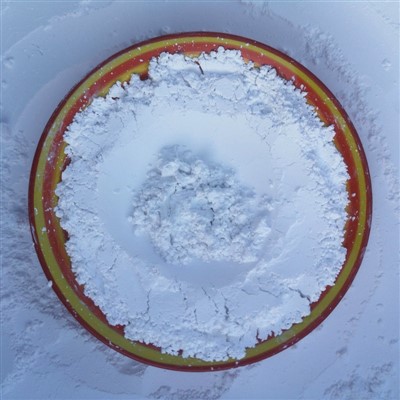
As a barite supplier, I am committed to providing high – quality barite products that meet the strict requirements of the automotive industry. Our barite is carefully mined and processed to ensure its purity, density, and other key properties are optimized for automotive applications.
Mica If you are an automotive manufacturer, supplier, or anyone involved in the automotive industry and are interested in learning more about how our barite products can benefit your operations, I encourage you to reach out. We are ready to engage in discussions with you to understand your specific needs and provide tailored solutions. Whether you need barite for brake pads, sound insulation materials, or any other automotive application, we are here to support you.
References
- Kasap, S. O. (2016). Principles of Electronic Materials and Devices. McGraw – Hill Education.
- Hamrock, B. J., Schmid, S. R., & Jacobson, B. O. (2004). Fundamentals of Machine Elements. McGraw – Hill Professional.
- Eckert, E. R. G., & Drake, R. M. (1972). Analysis of Heat and Mass Transfer. McGraw – Hill Book Company.
-ASM Handbook Committee. (1990). ASM Handbook, Volume 2: Properties and Selection: Nonferrous Alloys and Special – Purpose Materials. ASM International.
Lingshou County LM Mineral Products Co., Ltd.
As one of the most professional barite manufacturers and suppliers in China, we’re featured by quality products and good service. Please rest assured to buy customized barite made in China here from our factory. Contact us for more details.
Address: Dongzhuang Village, Nanyanchuan Township, Lingshou County, Shijiazhuang City, Hebei Province
E-mail: lmwtwz@163.com
WebSite: https://www.lmwtz.com/
