Hey there! I’m a supplier of rare/special gas equipment. Over the years, I’ve seen firsthand how important it is to keep this kind of equipment clean. In this blog, I’m gonna share some tips on how to clean rare/special gas equipment. Rare/Special Gas Equipment
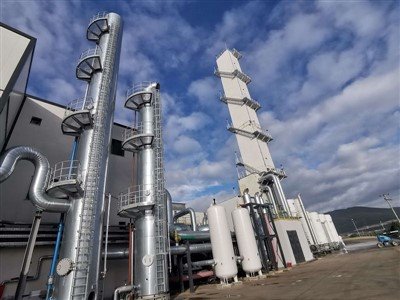
Why Cleaning Rare/Special Gas Equipment Matters
First off, let’s talk about why cleaning is such a big deal. Rare and special gases are often used in high – tech industries like semiconductor manufacturing, medical research, and aerospace. These gases can be super sensitive to contaminants. Even a tiny bit of dirt, dust, or chemical residue in the equipment can mess up the gas quality.
For example, in semiconductor manufacturing, the presence of impurities in the gas can lead to defects in the microchips. This means lower yields and more money down the drain for the manufacturers. In medical research, impure gases can affect the accuracy of experiments, which could have serious consequences for finding new treatments.
Pre – Cleaning Preparations
Before you start cleaning, you gotta do some prep work. First, make sure you’ve got the right safety gear. That includes gloves, goggles, and a lab coat. When dealing with rare and special gases, safety is the number one priority.
Next, you need to identify the type of gas that was in the equipment. Different gases may have different cleaning requirements. For instance, if the equipment was used with a highly reactive gas, you’ll need to take extra precautions to neutralize any remaining residues.
Also, you should disconnect the equipment from any power sources and gas supplies. You don’t want any unexpected gas leaks or electrical shocks while you’re cleaning.
Cleaning Methods
Dry Cleaning
Dry cleaning is a good first step for a lot of rare/special gas equipment. You can use compressed air to blow out any loose particles. Make sure the compressed air is clean and dry. You don’t want to introduce more contaminants into the equipment.
Another option for dry cleaning is using a soft – bristle brush. This is great for getting into small crevices and hard – to – reach areas. Just be gentle so you don’t damage any delicate parts of the equipment.
Wet Cleaning
Sometimes, dry cleaning isn’t enough, and you’ll need to do some wet cleaning. The first thing you need to do is choose the right cleaning solution. You can’t just use any old soap or detergent. You need to pick a solution that’s compatible with the materials of the equipment and won’t react with any remaining gas residues.
For example, if the equipment is made of stainless steel, you can use a mild stainless – steel cleaner. But if it has some plastic or rubber parts, you need to be more careful. Some cleaning solutions can damage these materials. You might need to use a specialized cleaner for plastics or rubbers.
When you’re using a cleaning solution, soak a clean cloth or sponge in it and gently wipe down the equipment. Make sure you get all the surfaces, especially areas where gas may have come into contact. After wiping, rinse the equipment thoroughly with clean, deionized water. This helps to remove any remaining cleaning solution.
Specialized Cleaning for Specific Components
Some parts of the rare/special gas equipment may need specialized cleaning. For example, valves are a critical component. You can use a valve – cleaning kit to disassemble the valve carefully and clean each part. Make sure you follow the manufacturer’s instructions when disassembling and reassembling the valve.
Filters are another important part. Over time, filters can get clogged with contaminants. You can either clean the filters if they’re reusable or replace them if they’re disposable. If you’re cleaning a reusable filter, soak it in the appropriate cleaning solution and then rinse it well.
Drying and Reassembly
After cleaning, it’s crucial to dry the equipment completely. You can use a clean, dry cloth to wipe off any excess water. Then, you can use warm air to speed up the drying process. Just make sure the air isn’t too hot, as it could damage some of the materials.
Once the equipment is dry, you can start reassembling it. Make sure all the parts are put back in the right place and tightened properly. You don’t want any loose connections that could lead to gas leaks.
Testing After Cleaning
Once you’ve reassembled the equipment, you need to test it. First, do a visual inspection to make sure everything looks okay. Then, you can perform a leak test to check for any gas leaks. There are different ways to do a leak test, like using a leak – detection solution or a specialized leak – detection device.
If the equipment passes the leak test, you can start introducing a small amount of gas to check if it’s working properly. Monitor the pressure, flow rate, and other parameters to make sure everything is within the normal range.
Maintenance Tips
Cleaning isn’t a one – time thing. Regular maintenance is key to keeping rare/special gas equipment in good shape. You should have a cleaning schedule, and stick to it. For some equipment, it might need to be cleaned after every use, while for others, a monthly or quarterly cleaning might be enough.
Also, keep an eye on the performance of the equipment. If you notice any changes in the pressure, flow rate, or gas quality, it could be a sign that the equipment needs to be cleaned or serviced.
Conclusion
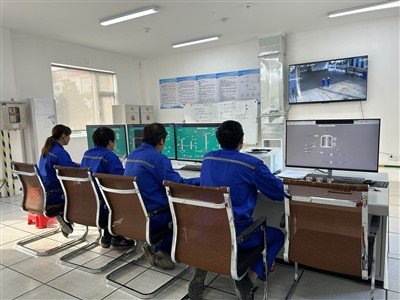
Cleaning rare/special gas equipment is a crucial task that requires attention to detail and the right techniques. By following the steps I’ve outlined in this blog, you can ensure that your equipment stays clean and functions properly.
Air Separation Unit If you’re in the market for high – quality rare/special gas equipment or need more advice on equipment maintenance and cleaning, don’t hesitate to reach out. I’m always here to help you find the best solutions for your needs. Contact me for a purchase consultation, and let’s work together to keep your operations running smoothly!
References
- "Handbook of Gas Analysis"
- Manufacturer’s manuals for rare/special gas equipment
Hanturbo Technology (Zhejiang) Co., Ltd.
Hanturbo Technology (Zhejiang) Co., Ltd. is one of the most professional rare/special gas equipment manufacturers and suppliers in China, also supports custom service. We warmly welcome you to buy discount rare/special gas equipment made in China here and get quotation from our factory. For price consultation, contact us.
Address: No.118, Wangluo Road, Deqing County, Huzhou City, Zhejiang Province, China.
E-mail: andyxu@hanturbo.com.cn
WebSite: https://www.hanturbo-gas.com/
