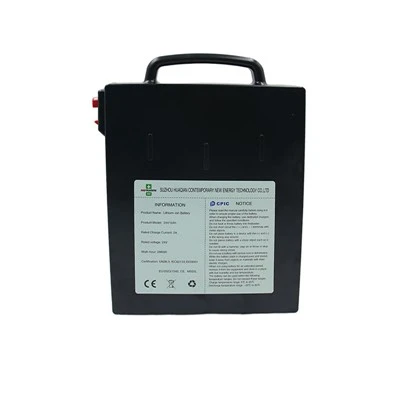
Lithium Manganese Oxide (LMO) lithium batteries have gained significant popularity in recent years, especially in a variety of consumer electronics and power tools, due to their high energy density, long – cycle life, and affordable cost. As a leading LMO lithium battery supplier, I am excited to share with you the detailed process of how these remarkable batteries are manufactured. LMO Lithium Battery
Raw Material Preparation
The first step in LMO lithium battery manufacturing is sourcing and preparing the raw materials. The key components for an LMO battery include lithium carbonate ($Li_2CO_3$), manganese dioxide ($MnO_2$), and other additives. Lithium carbonate is a crucial source of lithium ions, which play a fundamental role in the battery’s electrochemical reactions. Manganese dioxide is used to form the lithium manganese oxide cathode material.
We carefully select our raw material suppliers to ensure the high purity and quality of the materials. High – purity lithium carbonate typically has a purity level of over 99%. This ensures fewer impurities in the final battery, which can otherwise cause issues such as self – discharge or reduced battery life. Manganese dioxide is also selected based on its particle size, crystal structure, and chemical reactivity. Additionally, we use conductive additives like carbon black, which helps improve the electrical conductivity of the electrodes.
Cathode Production
The cathode is one of the most critical parts of an LMO lithium battery, as it is where the lithium ions are stored during charging. To produce the LMO cathode material, we start by mixing lithium carbonate and manganese dioxide in a precise ratio, usually around 1:2 on a molar basis. This mixture is then heated in a high – temperature furnace, a process known as calcination.
The calcination process typically occurs at temperatures between 700 – 900°C. At such high temperatures, a solid – state reaction takes place between lithium carbonate and manganese dioxide, forming lithium manganese oxide ($LiMn_2O_4$). The reaction equation is as follows:
$Li_2CO_3+4MnO_2 \xrightarrow{high – temperature} 2LiMn_2O_4+CO_2↑$
During calcination, the heating rate, holding time, and atmosphere are carefully controlled. A slow heating rate is often used to ensure a homogeneous reaction. The atmosphere in the furnace is usually oxygen – rich or air, which helps to stabilize the crystal structure of the LMO material.
Once the LMO material is formed, it is milled into fine particles. This is an important step as it increases the surface area of the cathode material, allowing for more efficient lithium – ion intercalation and de – intercalation during charging and discharging. After milling, the LMO particles are mixed with binders (such as polyvinylidene fluoride, PVDF) and conductive additives in a solvent to form a slurry. The slurry is then coated onto an aluminum foil current collector using a coating machine. The coated foil is dried to remove the solvent, leaving behind a thin layer of LMO cathode material on the aluminum foil. Finally, the coated foil is calendared to improve the density and adhesion of the cathode material.
Anode Production
The anode in an LMO lithium battery is typically made of graphite. Similar to the cathode production process, the graphite is first mixed with binders and conductive additives in a solvent to form an anode slurry. The binders help to hold the graphite particles together and ensure good adhesion to the copper foil current collector.
The anode slurry is then coated onto a copper foil using a coating process similar to that of the cathode. After coating, the foil is dried at a relatively low temperature to preserve the structure of the graphite. Graphite has a layered structure that allows lithium ions to intercalate into the layers during charging and de – intercalate during discharging. Any damage to the graphite structure can lead to reduced battery performance.
Once dried, the anode foil is also calendared to improve its density and integrity. The final anode product is a copper foil with a well – adhered layer of graphite anode material.
Separator Preparation
The separator is a thin, porous membrane that is placed between the cathode and the anode. Its main function is to prevent short – circuits between the cathode and the anode while allowing the passage of lithium ions. The most commonly used separator materials are made of polyethylene (PE) or polypropylene (PP) or a combination of both.
The separator is typically manufactured using a stretching process. First, the polymer resin is melted and then extruded into a thin film. This film is then stretched uniaxially or biaxially at a specific temperature to form a porous structure. The pore size and porosity of the separator are carefully controlled. A suitable pore size allows for efficient lithium – ion transport, while a proper porosity ensures good electrolyte wetting.
We source high – quality separators from trusted suppliers. Before use, the separators are inspected for any defects such as pinholes or uneven thickness, as these can lead to battery failure.
Electrolyte Preparation
The electrolyte in an LMO lithium battery is a crucial component that enables the movement of lithium ions between the cathode and the anode. It is typically a mixture of a lithium salt, such as lithium hexafluorophosphate ($LiPF_6$), and organic solvents.
The organic solvents commonly used include ethylene carbonate (EC), dimethyl carbonate (DMC), and ethyl methyl carbonate (EMC). These solvents have good solvating ability for the lithium salt and low viscosity, which helps to improve the ionic conductivity of the electrolyte.
The preparation of the electrolyte involves dissolving the lithium salt in the organic solvents under controlled conditions. The concentration of the lithium salt is carefully adjusted, usually around 1 – 1.5 mol/L. During the dissolution process, the temperature and humidity are strictly controlled to prevent the degradation of the lithium salt and the formation of impurities.
Battery Assembly
Once all the individual components (cathode, anode, separator, and electrolyte) are prepared, the battery assembly process begins. The first step is to stack the anode, separator, and cathode layers in the correct order. This is usually done by a precision stacking machine to ensure accurate alignment.
After stacking, the layered structure is placed in a battery case. The battery case can be made of various materials, such as aluminum or plastic, depending on the application requirements. The case provides mechanical protection for the battery and also serves as a container for the electrolyte.
Next, the electrolyte is injected into the battery case through a small opening. This process is carried out in a dry environment to prevent moisture from entering the battery, as moisture can react with the lithium salt in the electrolyte and cause battery degradation.
Once the electrolyte is injected, the opening in the battery case is sealed. This can be done using a variety of sealing methods, such as welding or gluing. A proper seal is essential to prevent electrolyte leakage and to maintain the internal pressure of the battery.
Formation and Testing
After the battery is assembled, it undergoes a formation process. The formation process involves charging and discharging the battery for the first time at a relatively low current. This process helps to form a solid electrolyte interface (SEI) on the anode surface. The SEI layer is a thin, stable film that allows lithium ions to pass through while preventing the decomposition of the electrolyte and the corrosion of the anode.
The formation process is carefully controlled in terms of voltage, current, and temperature. Different charging and discharging profiles are used depending on the battery design and specifications.
Once the formation process is complete, the battery undergoes a series of rigorous tests. These tests include capacity testing, voltage testing, internal resistance testing, and cycle life testing. Capacity testing determines the amount of charge that the battery can store and deliver. Voltage testing checks the open – circuit voltage and the voltage during charging and discharging. Internal resistance testing measures the resistance within the battery, which can affect the battery’s performance, especially at high discharge rates. Cycle life testing involves subjecting the battery to multiple charge – discharge cycles to evaluate its long – term durability.
Only batteries that pass all the tests are considered suitable for use. Defective batteries are either re – processed or discarded to ensure the high quality of our products.
Conclusion
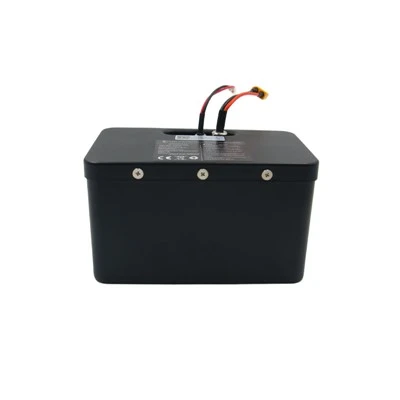
The manufacturing of LMO lithium batteries is a complex and highly precise process that involves multiple steps, from raw material preparation to final testing. Each step requires strict quality control and adherence to scientific principles. As a reliable LMO lithium battery supplier, we are committed to producing high – quality batteries that meet the diverse needs of our customers.
LiFeP04 Battery If you are interested in purchasing LMO lithium batteries for your applications, whether it’s for consumer electronics, power tools, or other industries, we invite you to contact us for further discussion and to explore potential business opportunities. We look forward to partnering with you to provide the best battery solutions.
References
- Yang, X – Q., Zhang, J., & Tan, C. S. (2017). Lithium – ion batteries: Present and future. Materials Today, 20(6), 292 – 304.
- Tarascon, J. M., & Armand, M. (2001). Issues and challenges facing rechargeable lithium batteries. Nature, 414(6861), 359 – 367.
- Goodenough, J. B., & Kim, Y. (2010). Challenges for rechargeable Li batteries. Chemistry of Materials, 22(3), 587 – 603.
Suzhou Huaqian Contemporary New Energy Technology Co., Ltd.
As one of the most professional lmo lithium battery manufacturers and suppliers in China, we warmly welcome you to wholesale bulk customized lmo lithium battery at competitive price from our factory. If you have any enquiry about cooperation, please feel free to email us.
Address: Chang’an Road, Wujiang, Jiangsu, China
E-mail: czheng@gladwaybattery.com
WebSite: https://www.gladwaybattery.com/
