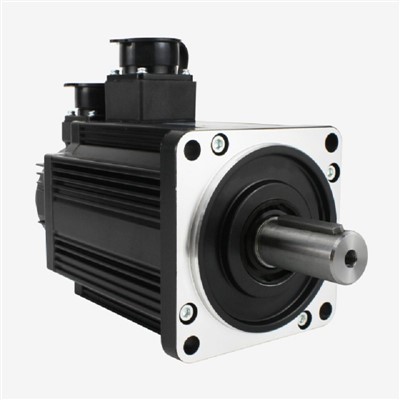
When it comes to industrial applications, gear motors play a crucial role in providing the necessary torque and speed for various machinery. As a gear motor supplier, I understand the importance of helping customers choose the right gear motor for their specific needs. In this blog post, I will share some key factors to consider when selecting a gear motor, which will help you make an informed decision. Gear Motor
Understanding Your Application Requirements
The first step in choosing the right gear motor is to thoroughly understand your application’s requirements. This involves evaluating several aspects of your machinery and the tasks it needs to perform.
Torque Requirements
Torque is the rotational force that a gear motor can generate. It is essential to determine the amount of torque your application requires. For example, if you are using the gear motor in a conveyor system, the torque needed will depend on factors such as the weight of the materials being transported, the speed of the conveyor, and the incline of the conveyor. If the torque requirement is underestimated, the motor may not be able to drive the load, leading to premature failure. On the other hand, overestimating the torque can result in a more expensive and larger motor than necessary.
To calculate the torque requirement, you can use the following formula for a basic rotary motion:
[ T = F \times r ]
where ( T ) is the torque, ( F ) is the force applied, and ( r ) is the radius of the rotating part. However, in real – world applications, additional factors such as friction, acceleration, and deceleration must also be considered.
Speed Requirements
The speed at which the gear motor needs to operate is another critical factor. Different applications require different speeds. For instance, a printing press may require a high – speed gear motor to ensure efficient printing, while a large industrial mixer may need a slower speed to achieve proper mixing. You need to determine the required output speed of the gear motor shaft. This is often related to the overall speed of the machinery and the gear ratio of the system.
The gear ratio is the ratio of the input speed to the output speed of the gearbox. A higher gear ratio will result in a lower output speed but higher torque, and vice versa. For example, if you have an input motor speed of 1800 RPM and a gear ratio of 10:1, the output speed of the gear motor will be 180 RPM.
Duty Cycle
The duty cycle refers to the amount of time the gear motor will be in operation. Some applications may require the motor to run continuously, while others may have intermittent operation. For continuous – duty applications, the gear motor needs to be able to dissipate heat effectively and withstand long – term operation without overheating. In contrast, for intermittent – duty applications, the motor may not need to be as robust in terms of heat dissipation.
Environmental Conditions
The environment in which the gear motor will operate also plays a significant role in the selection process. Factors such as temperature, humidity, dust, and corrosive substances can affect the performance and lifespan of the gear motor. For example, in a high – temperature environment, the motor may need to be designed with heat – resistant materials and efficient cooling systems. In a dusty or wet environment, the motor should have a high – level of ingress protection (IP rating) to prevent dust and water from entering the motor and causing damage.
Types of Gear Motors
There are several types of gear motors available in the market, each with its own advantages and disadvantages. Understanding these types can help you choose the most suitable one for your application.
DC Gear Motors
DC gear motors are powered by direct current and are known for their controllability. They can easily adjust the speed and torque by changing the input voltage. DC gear motors are often used in applications where precise speed control is required, such as robotics, automated guided vehicles (AGVs), and small – scale industrial machinery. They are also relatively compact and lightweight, making them suitable for applications with limited space.
AC Gear Motors
AC gear motors are powered by alternating current and are commonly used in industrial applications. They are known for their reliability and durability. AC gear motors can be either single – phase or three – phase. Three – phase AC gear motors are more powerful and efficient, and they are often used in large – scale industrial machinery, such as pumps, compressors, and conveyor systems.
Stepper Gear Motors
Stepper gear motors are designed to move in discrete steps. They are highly precise and can be controlled very accurately. Stepper gear motors are often used in applications where precise positioning is required, such as 3D printers, CNC machines, and automation equipment. They are also able to hold a position without the need for additional braking mechanisms.
Servo Gear Motors
Servo gear motors are similar to stepper gear motors in terms of precision, but they offer better performance in terms of speed and torque control. Servo gear motors use a feedback mechanism, such as an encoder, to precisely control the position, speed, and torque. They are commonly used in high – performance applications, such as robotics, aerospace, and industrial automation.
Gearbox Types
The gearbox is an important part of the gear motor, as it determines the gear ratio and the output torque and speed. There are several types of gearboxes available, each with its own characteristics.
Spur Gearboxes
Spur gearboxes are the simplest and most common type of gearbox. They consist of a series of spur gears, which have straight teeth parallel to the axis of rotation. Spur gearboxes are known for their high efficiency, low cost, and compact design. However, they can produce a significant amount of noise during operation, especially at high speeds.
Helical Gearboxes
Helical gearboxes use helical gears, which have teeth that are angled relative to the axis of rotation. This design reduces noise and vibration compared to spur gearboxes, making them suitable for applications where quiet operation is required. Helical gearboxes also have a higher load – carrying capacity and can transmit more power than spur gearboxes.
Planetary Gearboxes
Planetary gearboxes are compact and offer high torque density. They consist of a central sun gear, multiple planet gears, and an outer ring gear. Planetary gearboxes are known for their high efficiency, high gear ratios, and ability to handle high loads. They are often used in applications where space is limited and high torque is required, such as robotics and automotive transmissions.
Worm Gearboxes
Worm gearboxes use a worm gear and a worm wheel. They can provide high gear ratios in a compact design. Worm gearboxes are self – locking, which means they can hold a position without the need for additional braking mechanisms. However, they have lower efficiency compared to other types of gearboxes, especially at high gear ratios.
Other Considerations
Efficiency
The efficiency of a gear motor is an important factor to consider, as it affects the energy consumption and operating costs. A more efficient gear motor will consume less energy and generate less heat, which can lead to cost savings in the long run. When comparing different gear motors, look for the efficiency ratings provided by the manufacturer.
Maintenance Requirements
Different gear motors have different maintenance requirements. Some may require regular lubrication, while others may have sealed bearings that do not require maintenance. Consider the ease of maintenance and the availability of replacement parts when choosing a gear motor. A gear motor that is easy to maintain and has readily available replacement parts can reduce downtime and maintenance costs.
Cost
Cost is always a consideration when choosing a gear motor. However, it is important to balance the cost with the performance and quality of the motor. A cheaper gear motor may save you money upfront, but it may not meet your performance requirements or may have a shorter lifespan, leading to higher long – term costs.
Conclusion
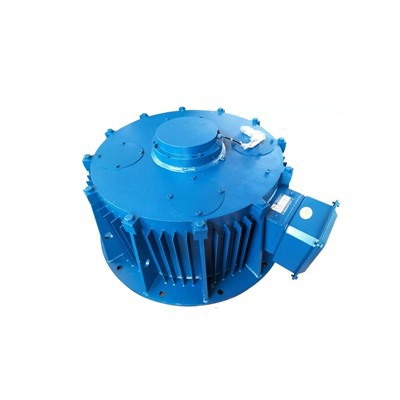
Switched Reluctance Motor Choosing the right gear motor is a complex process that requires careful consideration of your application requirements, the types of gear motors and gearboxes available, and other factors such as efficiency, maintenance, and cost. As a gear motor supplier, I am committed to helping you make the best choice for your specific needs. If you have any questions or need further assistance in selecting the right gear motor for your application, please feel free to contact us for a detailed discussion and procurement negotiation.
References
- "Electric Motors and Drives: Fundamentals, Types and Applications" by Austin Hughes and Bill Drury.
- "Mechanical Design of Machine Elements and Machines: A Failure – Prevention Perspective" by Jack A. Collins, George H. Busby, and Harry H. Staab.
- Manufacturer’s catalogs and technical documents for gear motors and gearboxes.
Zibo Auric Mechanical and Electrical Technology Co., Ltd.
As one of the leading gear motor manufacturers and suppliers in China, we warmly welcome you to buy advanced gear motor for sale here from our factory. All customized motors are with high quality and competitive price.
Address: B419, High-tech Entrepreneurship Park, High-tech Zone, Zibo City
E-mail: cui@auricmotor.com
WebSite: https://www.auricmotor.com/
