Hey there, let’s be real for a sec—most hotels fall into that generic “cookie-cutter” vibe, right? Walk into three different budget or mid-tier hotels, and half the time their furniture feels like it was snatched from the same catalog. That’s where I come in. I’ve been running a hotel furniture supply business for 12 years now, and let me tell you, creating a unique guest space doesn’t require blowing your entire design budget. It’s all about small, intentional choices, not just stacking fancy pieces. Today, I’m breaking down exactly how you can craft a look that’s totally yours, no copy-pasting here. Hotel Furniture
First off, let’s ditch the myth that “unique” means over-the-top. I’ve worked with everything from boutique beach resorts to small city boutiques, and the common thread in all their standout spaces? They stopped treating furniture like just functional stuff and started telling a story. For example, a coastal resort in Florida I partnered with a couple years back didn’t just buy regular outdoor lounge chairs. We sourced teak frames that had a weathered, “already-loved” patina—no brand-new, shiny teak here—and paired them with custom cushion covers made from recycled sailcloth. That’s the kind of little detail guests snap pics of and rave about in reviews.
Wait, but how do you make that story make sense for your brand? Let’s start with grounding your choice in your hotel’s identity. If you’re a downtown urban spot near galleries, mixing sleek, angular mid-century modern sofas with a statement vintage side table (not a new reproduction, actually—vintage is where you find real unique pieces) works way better than forcing a rustic cabin look that has nothing to do with your location. I see so many hotels mess this up—they’ll slap faux barn doors on a 10-story building in the middle of Chicago, and it just feels… forced. When you tie furniture choices to your hotel’s neighborhood, history, or core vibe, it stops looking like a random collection and starts feeling intentional.
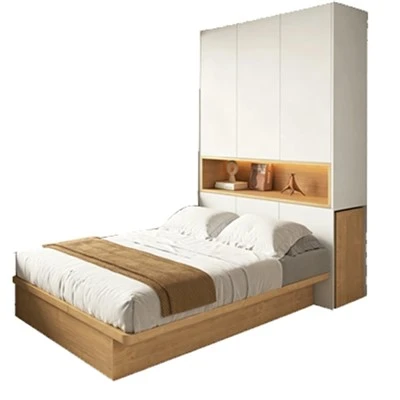
Here’s the next big tip: mix materials like you’re baking (bad analogy? Maybe, but stick with me). No one said every piece has to match the exact wood tone or finish. In fact, matching everything is what makes a space feel flat and generic. Let’s take bedroom suites—most hotels go for the same headboard, nightstands, and dresser all in oak. Instead, try a warm walnut headboard, a pair of slim metal nightstands (not wood at all), and a dresser with a distressed pine finish. Throw in a jute rug under the bed and a velvet bench at the foot—suddenly, it’s cozy, layered, and way more memorable. I always tell my clients: if a piece catches your eye because it’s a little different, even if it’s not in the “right” material, run with it. Guests notice that contrast.
Don’t sleep on scale, either. Wait, that’s a bad pun—sorry, but it’s true! A lot of hotels make the mistake of buying all furniture that’s either too big (cramping a small lobby) or too small (making a grand lobby feel empty). Let’s say you have a cozy lobby that’s only got space for 4 seating groups. Instead of scattering tiny armchairs, go for a pair of medium-sized sofas, paired with a couple of accent chairs that are a slightly different depth. Leave enough space between groups so people don’t feel like they’re sitting on top of each other, but don’t leave so much empty space that the room feels cold. Scale is make-or-break for flow, and flow is key to making guests stay longer (which means they spend more, by the way—win-win).
Now, customization is where I really see hotels level up. You don’t have to settle for standard sizes or fabrics. Let’s talk about upholstery—way too many hotels stick to neutral beige or gray because it’s “safe.” But if you pick a fabric that complements your brand—say, a muted terracotta for a desert hotel, or a soft indigo for a lakeside spot— it instantly stands out. And custom fabric doesn’t have to cost a fortune. I work with a mill that makes durable, hotel-grade fabrics at 30% less than big-box suppliers, so you don’t have to sacrifice quality for uniqueness. Even small custom touches, like carving your hotel’s initials into the foot of a dining table or adding a pull-out shelf to a nightstand for extra luggage storage, make the space feel personal, like it was made just for guests, not off a catalog.
Wait, let’s not forget about functional pieces that double as decor. That’s another trick for pulling a unique look together without overcrowding the space. A lot of hotels buy side tables that are just side tables—but what if you get a side table that also has built-in USB chargers and a small shelf for drinks? Or a bench at the end of the bed that has hidden storage for extra towels and blankets? It kills two birds with one stone: it solves a guest problem (no dead outlets, too little storage) and adds a functional, interesting piece to the room. I’ve had clients tell me guests specifically mention the charging side tables in reviews—that’s free marketing, right there.
Another thing I preach: prioritize quality over trends. Trends come and go—remember when all hotels had those super low-profile sofas that felt like sitting on the floor? Now everyone’s over them. But a solid, well-made sofa that’s built to last 10+ years? That’s timeless. When you invest in durable, high-quality furniture, you don’t have to replace it every few years, and it won’t look cheap. The best unique spaces are built on pieces that hold up, not ones that are just “in style” this season. I’ve had a client who stuck with our solid wood dining sets for 8 years, and they still look better than the trendy sets that other hotels had to replace after 3. That’s how you keep a look unique long-term, not just a flash in the pan.
Let’s talk about mistakes I see all the time, too—just so you don’t make ’em. First, don’t overaccessorize. A lot of hotels add so many throw pillows, rugs, and wall art that the furniture gets lost. Less is more here—let the furniture be the star. Second, don’t ignore the small stuff: drawer pulls, lamp bases, door handles. Those tiny details tie the whole look together. A brass drawer pull on a walnut dresser, instead of a plain chrome one, is a small change that makes everything feel more cohesive and unique. Third, don’t be afraid to mix new and old. A brand-new custom headboard paired with a vintage coffee table that you sourced from a local antique market? That’s the sweet spot—you get the durability of new for high-traffic pieces, and the character of old to make it stand out.
Wait, let’s wrap this up with a real example to make it concrete. Last year, I worked with a 25-room boutique hotel in Portland that wanted to feel like a cozy, creative retreat for travelers who loved the city’s art scene. We started by ditching the generic gray sofas in the lobby. We paired two mid-century modern sofas (custom upholstered in a dark forest green that matched the city’s tree line) with thrifted mid-century chairs in a soft knit fabric, and added reclaimed wood coffee tables from a local sawmill. For the bedrooms, we did custom white oak headboards with a subtle carved tree design, paired with metal nightstands in a matte black finish, and added linen duvets in a muted cream. The small touches? Drawer pulls shaped like tiny paintbrushes (a nod to the local art scene), and each room had a small, vintage record player paired with a set of vinyl records from Portland’s local record store. The hotel’s revenue went up 18% in the first six months after we finished—guests were booking because they saw the space wasn’t like every other hotel. That’s proof that these small, intentional choices work.
So, if you’re ready to stop having a “generic hotel look” and create a space that guests will talk about, I’m here to help. Whether you’re redoing a single lobby or an entire property, we can work together to find pieces that fit your brand, your budget, and your unique vision. No cookie-cutter designs, no hidden fees—just solid, durable furniture that tells your hotel’s story. If you’re interested in chatting through your project, reach out—we can walk through ideas, look at samples, and figure out what works best for you.
Outdoor Patio Furniture References:
- Smith, J. (2022). Hotel Interior Design: Creating Memorable Guest Spaces. Hospitality Press.
- Lee, M. (2021). Sustainable Furniture Choices for the Travel Industry. Green Hospitality Journal.
- Patel, R. (2023). Scale and Proportion in Commercial Space Design. Interior Design Today.
- Carter, L. (2020). The Rise of Vintage and Custom Furniture in Boutique Hotels. Boutique Hospitality Magazine.
Bazhou Fuyuan Furniture Co., Ltd.
With abundant experience, we are one of the most professional hotel furniture manufacturers and suppliers in China. Welcome to wholesale high quality hotel furniture in stock here and get quotation from our factory. We also accept customized orders.
Address: Fuyuan Furniture Co., Ltd., Lane 2, Xinzhang Development Zone, Bazhou City, Langfang City, Hebei Province
E-mail: 17831088858@163.com
WebSite: https://www.fuyuanfurniture.com/
