As a seasoned supplier in the drive shafts industry, I’ve encountered numerous inquiries regarding the causes of drive shaft bending. Understanding these factors is crucial for both manufacturers like us and end-users. It allows us to produce more robust products and enables customers to take better care of their vehicles and machinery. In this blog, I’ll delve into the main culprits behind a bent drive shaft. Drive Shafts

Overloading
One of the most common causes of drive shaft bending is overloading. When a vehicle or machinery is loaded beyond its recommended capacity, the drive shaft experiences excessive stress. In normal operating conditions, the drive shaft is designed to transmit a specific amount of torque from the engine to the wheels or other moving parts. This torque is carefully calibrated based on the vehicle’s intended use and load – carrying capacity.
However, when an extra – heavy load is added, such as overloading a pickup truck with too much cargo or an industrial machine with an excessive workload, the drive shaft has to bear forces that it was not engineered to handle. The additional weight puts a significant strain on the shaft, causing it to bend over time.
For example, a delivery truck that is frequently overloaded with packages to increase deliveries per trip exposes its drive shaft to continuous high – stress situations. The metal in the drive shaft gradually loses its shape due to the repeated and excessive force applied, eventually resulting in a bend.
Misalignment
Misalignment is another major factor contributing to drive shaft bending. There are two types of misalignment – angular and parallel misalignment.
Angular misalignment occurs when the drive shaft is not properly aligned with the engine and the differential at the appropriate angle. This can happen during the installation process of the drive shaft if it is not installed correctly. It can also be caused by damage to the vehicle’s suspension system, which can change the angle of the drive shaft relative to other components. When there is angular misalignment, the drive shaft has to work at an odd angle, causing uneven stress distribution along its length. This uneven stress can lead to bending over time.
Parallel misalignment, on the other hand, happens when the drive shaft is not parallel to the axles or other components it is connected to. This can be a result of worn – out mounts, which are supposed to hold the drive shaft in the correct position. If the mounts are damaged or worn, the drive shaft may shift out of its proper alignment. As the vehicle moves, the drive shaft experiences abnormal forces due to the misalignment, and these forces can gradually bend the shaft.
Impact Damage
Physical impact is a very obvious cause of drive shaft bending. In a vehicle, the drive shaft is located underneath the chassis and is therefore vulnerable to road debris, potholes, and collisions. For instance, if a vehicle hits a large rock or an object on the road at high speed, the impact can directly cause the drive shaft to bend. The force of the impact can be strong enough to deform the metal shaft.
In an industrial setting, machinery drive shafts can also be damaged by impacts. For example, in a manufacturing facility, if a large tool or equipment accidentally hits the drive shaft of a conveyor belt system, it can cause the drive shaft to bend. Once bent, the drive shaft will not function correctly, and it may even lead to further damage to other components in the system.
Worn Universal Joints
Universal joints are an essential part of the drive shaft system. They allow the drive shaft to flex and transmit power at different angles. However, over time, these universal joints can wear out. The constant movement and stress placed on the universal joints during operation can cause the bearings and other components to degrade.
When the universal joints are worn, they can cause the drive shaft to vibrate excessively. This vibration creates uneven forces on the drive shaft. The continuous application of these uneven forces can lead to bending of the drive shaft. Additionally, if a universal joint fails completely, it can cause the drive shaft to bind up or even break, which in turn can cause bending if the vehicle or machinery continues to operate in this faulty state.
Torque Spikes
Torque spikes refer to sudden, short – term increases in torque. These can occur during rapid acceleration, hard braking, or when a vehicle gets stuck and the wheels spin with high force. When a torque spike happens, the drive shaft experiences a much higher level of torque than it is designed to handle under normal conditions.
For example, in a high – performance sports car, when the driver floors the accelerator from a standstill, a large amount of torque is suddenly applied to the drive shaft. If the drive shaft is not of high – quality or if it is already weakened by other factors such as wear or fatigue, the torque spike can cause it to bend. In industrial machinery, a sudden start – up or shutdown with high power can also result in torque spikes that damage the drive shaft.
Fatigue
Even under normal operating conditions, drive shafts are subject to fatigue. Fatigue is the weakening of a material due to repeated cyclic loading. Every time a vehicle or machinery is in operation, the drive shaft experiences a certain amount of stress as it rotates and transmits torque.
Over time, these repeated stress cycles can cause small cracks to form in the metal of the drive shaft. As these cracks grow, the integrity of the drive shaft is compromised. Eventually, the drive shaft may bend or even break. The rate of fatigue depends on several factors, including the type of material the drive shaft is made of, the frequency and magnitude of the stress, and the operating environment.
Corrosion
Corrosion can also lead to drive shaft bending. In environments where the drive shaft is exposed to moisture, chemicals, or salt, corrosion can occur. For example, vehicles driven in coastal areas are often exposed to saltwater spray, which can accelerate the corrosion process.
Corrosion attacks the metal of the drive shaft, weakening its structure. As the metal becomes thinner and more brittle due to corrosion, it is more likely to bend under normal operating stress. Even a small amount of corrosion can gradually undermine the strength of the drive shaft, making it more susceptible to bending.
Quality of Manufacturing
The quality of the drive shaft during the manufacturing process also plays a role in its susceptibility to bending. If the drive shaft is not made from high – grade materials, or if the manufacturing process is not up to standard, it may have inherent weaknesses.
For example, improper heat treatment during manufacturing can lead to inconsistent hardness in the drive shaft. Areas with lower hardness are more likely to deform under stress. Similarly, poor machining techniques can result in uneven wall thickness in the drive shaft, which can cause uneven stress distribution and increase the risk of bending.
Importance of Understanding the Causes
As a drive shafts supplier, understanding these causes is essential for us to provide better – quality products to our customers. By knowing the weak points in the drive shaft design and function, we can take steps to improve our manufacturing processes. For example, we can select higher – quality materials that are more resistant to corrosion and fatigue. We can also implement better quality – control measures during the manufacturing process to ensure that the drive shafts are of uniform quality and strength.
For end – users, understanding the causes of drive shaft bending can help them take better care of their vehicles and machinery. They can avoid overloading, maintain proper alignment, and regularly inspect the universal joints. By taking these preventive measures, they can extend the lifespan of their drive shafts and reduce the likelihood of costly breakdowns.
Let’s Collaborate
If you’re in the market for high – quality drive shafts, we’re here to help. As a professional drive shafts supplier, we have a wide range of products suitable for various vehicles and industrial applications. Our drive shafts are manufactured with the highest standards, using top – grade materials and advanced manufacturing techniques to ensure durability and reliability.
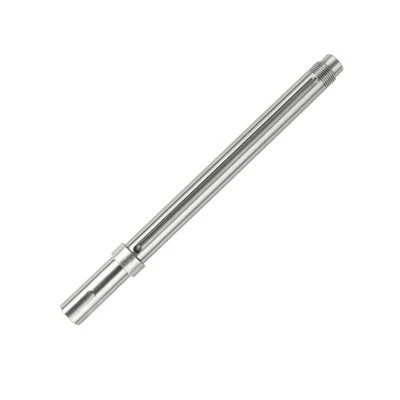
Whether you’re looking to replace a bent drive shaft or are in need of custom – made drive shafts for a specific project, we’re equipped to meet your needs. Our team of experts can provide you with technical support and guidance to help you select the most appropriate drive shaft for your requirements.
Transmission Gears Get in touch with us to start a conversation about your drive shaft needs. We’re eager to partner with you and provide you with the best drive shaft solutions.
References
- "Automotive Chassis Systems" by James D. Halderman
- "Industrial Machinery Handbook" by Pearson Education
- "Materials Science and Engineering: An Introduction" by William D. Callister, Jr. and David G. Rethwisch
Wenling Nanfang Jingtong Gear Factory
As one of the most professional drive shafts manufacturers and suppliers in China, we also support customized service. We warmly welcome you to wholesale bulk high quality drive shafts made in China here from our factory. Also, quotation is available.
Address: Shui’an Village, Ruoheng Town, Wenling City, Taizhou City, Zhejiang Province
E-mail: jt18906566400@126.com
WebSite: https://www.jingtonggear.com/
