As a supplier of FPV drone LiPo batteries, one of the most frequently asked questions from our customers is about the maximum number of charge – discharge cycles these batteries can endure. This is a crucial topic, as it directly impacts the lifespan and cost – effectiveness of using our FPV drone LiPo batteries. FPV Drone Lipo Battery
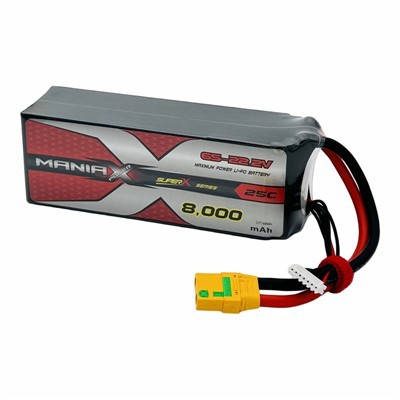
Understanding LiPo Batteries for FPV Drones
First, let’s have a quick introduction to LiPo batteries. Lithium – Polymer (LiPo) batteries are the go – to power source for FPV drones due to their high energy density, low weight, and ability to deliver high current outputs. They are well – suited for the demanding power requirements of FPV drones, which need quick bursts of energy during maneuvers such as high – speed flights, sharp turns, and vertical climbs.
LiPo batteries consist of multiple cells connected in series or parallel to achieve the desired voltage and capacity. Each cell has a nominal voltage of around 3.7V, and common configurations for FPV drones include 2S (7.4V), 3S (11.1V), 4S (14.8V), and more. The capacity is measured in milliamp – hours (mAh), which indicates how much charge the battery can store.
Factors Affecting Charge – Discharge Cycles
Several factors significantly influence the maximum number of charge – discharge cycles for FPV drone LiPo batteries.
- Charge and Discharge Rates: One of the most important factors is the charge and discharge rates. The charge rate is often expressed in terms of “C” rating. For example, a 1C charge rate means charging the battery in one hour, while a 2C charge rate would charge it in half an hour. Higher charge rates can generate more heat, which degrades the battery’s internal structure over time. Similarly, high – rate discharges, which are common in FPV drones during aggressive flying, can also cause stress on the battery. If a battery is constantly discharged at very high C – ratings, its lifespan in terms of charge – discharge cycles will be reduced.
- Temperature: Temperature plays a vital role. LiPo batteries perform optimally within a certain temperature range, typically between 20°C and 30°C (68°F – 86°F). Charging or discharging the battery in extreme cold or hot conditions can damage the internal chemistry. Cold temperatures reduce the battery’s capacity and make it more difficult to deliver the required current, while high temperatures can cause the electrolyte to break down and accelerate the growth of lithium dendrites, which can short – circuit the battery and ultimately reduce its cycle life.
- Depth of Discharge (DoD): The depth to which the battery is discharged in each cycle also matters. A shallow discharge, where the battery is only partially depleted, is less stressful on the battery compared to a deep discharge. For instance, if a battery is consistently discharged only to 50% of its capacity (50% DoD), it will generally have a much higher number of charge – discharge cycles compared to one that is regularly discharged to 80% or 90% DoD.
- Storage Conditions: When the batteries are not in use, proper storage is essential. Storing LiPo batteries at a fully charged or fully discharged state for an extended period can be harmful. The ideal storage voltage is around 3.8V per cell. Batteries stored at the wrong voltage can experience self – discharge issues, and their internal components may degrade over time.
Industry – Standard Charge – Discharge Cycles
On average, a well – maintained FPV drone LiPo battery can typically endure between 200 and 300 charge – discharge cycles. This number can vary widely depending on the factors mentioned above. For example, if a user follows all the best practices, such as using a low – rate charger, flying in moderate temperatures, maintaining a shallow depth of discharge, and storing the batteries correctly, the battery may reach closer to the upper end of this range.
Conversely, if a user frequently applies high – rate charging and discharging, flies in extreme temperatures, and deeply discharges the battery, the number of cycles may be significantly reduced, perhaps even dropping below 100 cycles.
Our Approach as a Supplier
At our company, we are committed to providing high – quality FPV drone LiPo batteries with the best possible cycle life. We use advanced manufacturing techniques to ensure the uniformity of the cells and the stability of the internal chemistry. Our quality control processes are rigorous, and we conduct extensive testing on each batch of batteries.
We also offer detailed guidelines to our customers on how to maximize the charge – discharge cycles of our batteries. These guidelines include information on proper charging, optimal flying conditions, and correct storage methods. Additionally, we invest in research and development to continuously improve the performance and cycle life of our LiPo batteries. By working with leading battery manufacturers and research institutions, we aim to stay at the forefront of battery technology.
Extending the Life of Your FPV Drone LiPo Batteries
Here are some practical tips for our customers to extend the life of their FPV drone LiPo batteries:
- Use a Quality Charger: Invest in a good charger that can provide a stable and appropriately – rated charge current. A charger with built – in safety features, such as over – charge protection and temperature monitoring, is highly recommended.
- Monitor Temperature: Avoid flying or charging the batteries in extremely hot or cold environments. If possible, allow the battery to reach a suitable temperature before use.
- Manage Depth of Discharge: Try to keep the depth of discharge shallow. Plan your flights in a way that you land the drone before the battery is overly depleted.
- Proper Storage: When not in use, store the batteries at the recommended voltage of around 3.8V per cell. Use a battery storage case to keep them protected and organized.
Conclusion
In conclusion, the maximum number of charge – discharge cycles for an FPV drone LiPo battery is affected by multiple factors, including charge and discharge rates, temperature, depth of discharge, and storage conditions. While the industry average is between 200 and 300 cycles, users can significantly extend this lifespan by following proper handling procedures.
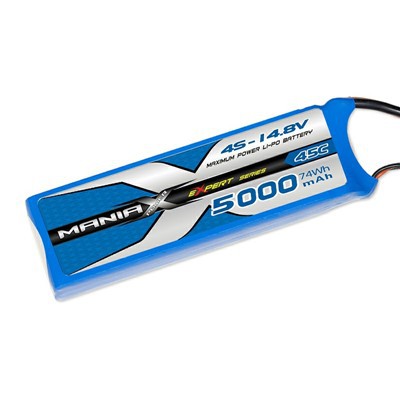
As a trusted supplier of FPV drone LiPo batteries, we are dedicated to delivering high – quality products and providing the necessary support to our customers. Our focus on research, development, and quality control ensures that our batteries offer not only high performance but also a longer cycle life.
Drone Solid-State Lipo Battery If you are interested in purchasing high – quality FPV drone LiPo batteries or have any questions regarding their usage and maintenance, we encourage you to contact us for a detailed discussion and explore how our products can meet your specific needs.
References
- Linden, D., & Reddy, T. B. (2002). Handbook of Batteries. McGraw – Hill.
- Tarascon, J. M., & Armand, M. (2001). Issues and challenges facing rechargeable lithium batteries. Nature, 414(6861), 359 – 367.
- Chen, Z., Liu, X., & Yang, X. – Q. (2012). Challenges and prospects of lithium – ion batteries. Nano Energy, 1(1), 34 – 50.
ManiaX Power Technology Co., Ltd.
ManiaX Power Technology Co., Ltd. is one of the most reliable fpv drone lipo battery manufacturers and suppliers in China, also supports customized service. Please feel free to wholesale bulk durable fpv drone lipo battery made in China here from our factory.
Address: Room 1508, 15/F, Two Grand tower, 625 Nathan Road, Kowloon, HongKong. P.R. China
E-mail: info@maniax-power.com
WebSite: https://www.maniaxpower.com/
