Hey there, folks! I’m a supplier of box-type substations, and I’ve been in this game for quite a while. One question that comes up a lot is, "What are the electrical protection functions of a box-type substation?" Well, let’s dive right into it. Box-type Substation

First off, let’s talk about overcurrent protection. This is a super important function. You know, sometimes there can be too much current flowing through the system. It could be due to a short circuit or a sudden increase in the load. When that happens, the overcurrent protection in the box-type substation kicks in.
There are usually two main types of overcurrent protection devices: fuses and circuit breakers. Fuses are pretty simple. They’re like little safety valves. When the current exceeds a certain level, the fuse wire melts, breaking the circuit. It’s a one-time deal though. Once the fuse blows, you gotta replace it.
Circuit breakers, on the other hand, are more high-tech. They can be reset after they trip. They work by detecting the abnormal current and mechanically opening the contacts in the circuit. This stops the flow of electricity and protects the equipment in the substation. For example, in a manufacturing plant where there are a lot of heavy machinery, if one of the machines malfunctions and causes an overcurrent, the circuit breaker will trip and prevent damage to the entire electrical system of the substation.
Next up is overvoltage protection. Voltage spikes can be a real pain in the neck. They can come from lightning strikes or sudden changes in the power grid. Overvoltage can fry your electrical equipment, reducing its lifespan and even causing it to break down completely.
Surge arresters are commonly used for overvoltage protection in box-type substations. These devices are designed to divert the excess voltage to the ground. They act like a kind of electrical shock absorber. When a voltage surge hits the substation, the surge arrester quickly changes its resistance and provides a low – resistance path for the excess energy to flow safely into the ground. This way, the sensitive electrical components in the substation are protected from the harmful effects of overvoltage.
Undervoltage protection is also crucial. Sometimes, the voltage in the power grid can drop below the normal level. This can be due to issues like a large number of consumers suddenly drawing a lot of power or a fault in the transmission lines. When the voltage is too low, electrical equipment may not operate properly. Motors might stall, computers could crash, and lights might dim.
The undervoltage protection in a box-type substation monitors the voltage level. If it drops below a pre – set threshold, it can take action. It might disconnect non – essential loads or even shut down the substation in extreme cases to prevent damage to the equipment. For instance, in a data center that relies on a box-type substation for power, undervoltage protection ensures that the servers are not damaged due to low voltage, which could lead to data loss.
Another important protection function is short – circuit protection. Short circuits are extremely dangerous. They occur when there is a direct connection between the live conductors, bypassing the normal load. This can cause a huge amount of current to flow in an instant, generating a lot of heat and potentially starting a fire.
The short – circuit protection in a box – type substation is designed to detect and isolate the short circuit as quickly as possible. Circuit breakers are often used for this purpose. They have a high – speed tripping mechanism that can detect the sudden increase in current caused by a short circuit and open the circuit in a matter of milliseconds. This rapid response helps to prevent damage to the substation’s electrical components and infrastructure.
Ground fault protection is also a key feature. A ground fault happens when an electrical conductor comes into contact with the ground. This can be due to damaged insulation or other faults in the system. If a ground fault is not detected and corrected, it can pose a serious safety hazard to people and damage the equipment.
Ground fault protection devices in a box – type substation monitor the current flowing in the neutral conductor. If there is an imbalance between the current in the live conductors and the neutral conductor, it indicates a ground fault. The protection device will then trip the circuit breaker, cutting off the power and preventing further damage or safety risks.
Now, let’s talk about how these protection functions work together. They form a comprehensive protection system in the box – type substation. Each function is like a piece of a puzzle, and when they all fit together, they ensure the safe and reliable operation of the substation.
For example, if there is a lightning strike, the overvoltage protection (surge arresters) will first try to divert the excess voltage to the ground. But if the surge is so large that it causes an overcurrent in the system, the overcurrent protection (circuit breakers or fuses) will kick in. And if the lightning strike causes a short – circuit or a ground fault, the corresponding protection functions will also activate.
As a box – type substation supplier, I know how important these protection functions are. Whether it’s for a small commercial building or a large industrial complex, having a reliable box – type substation with proper electrical protection is essential.
If you’re in the market for a box – type substation, you need to make sure that it has all these protection functions. You don’t want to take any chances with your electrical system. A good box – type substation can save you a lot of money in the long run by preventing equipment damage and downtime.
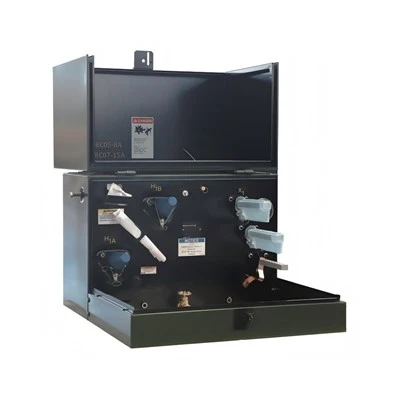
So, if you’re interested in learning more about our box – type substations, or if you want to discuss your specific requirements, don’t hesitate to reach out. We’re here to help you find the perfect solution for your electrical needs.
Dry-type Transformer References
- Electrical Power Systems: Design, Operation, and Protection by John J. Grainger
- Handbook of Electrical Engineering: Power Systems by Terry L. Johnson
Ruibian (Jiangsu) Electric Power Co., Ltd.
Ruibian (Jiangsu) Electric Power Co., Ltd. is one of the most professional box-type substation manufacturers and suppliers in China, featured by quality products and good price. Please rest assured to buy durable box-type substation in stock here from our factory. Contact us for pricelist.
Address: No.89 Changjiang West Road, Haian City, Jiangsu Province, China
E-mail: business@ruibianjiangsu.cn
WebSite: https://www.ruibianpower.com/
